Operations | Monitoring | ITSM | DevOps | Cloud

The latest News and Information on DevOps, CI/CD, Automation and related technologies.

The most debated DORA metric (even Google debates this)

What's the most debated DORA metric? Nathen H from Google's DORA team breaks down the change lead time debate — and why even the experts can't fully agree on when a change is "committed." Is it at commit? After merge? The answer matters more than you think. Subscribe for more DevEx and DORA insights from our Web Summit series.

AI in Software Delivery: Engineering Excellence or Just Market Hype? | Harness Blog

AWS re:Invent 2025 made one thing very clear: enterprise interest in AI is no longer theoretical. The conversation has moved beyond curiosity. Teams are actively experimenting, leaders are looking for production-ready use cases, and engineering organizations are trying to figure out where AI can create real leverage across software delivery, security, platform engineering, and operations.

How to use Ubuntu on Windows

Why run Ubuntu on Windows? It’s about getting the best of both worlds. Many organizations rely on Windows applications, enterprise software, and policy configurations; but for developers and system administrators, Ubuntu’s native command-line tools, package managers, and server environments are invaluable. Likewise, with its broad ecosystem of machine learning tools and libraries, and silicon optimizations, Ubuntu is ideally suited for AI workloads.

#057 - From Pagers to Pair Programming: Navigating Massive Scale and AI with Stefana Muller (Sale...

In this episode of "Kubernetes for Humans," Stefana Muller, VP of Infrastructure & Operations at Salesforce, shares her fascinating journey from technical support to navigating the massive scale of the Own Backup acquisition. Stefana dives into the immense multi-cloud Kubernetes challenges of scaling from 18,000 to over 52,000 clusters, standardizing environments across AWS and Azure, and leveling up security to meet stringent Salesforce standards.

A guide to setting up alerts for a new service

When you launch a new service in production, you’re working with a lot of unknowns. You don’t yet know how it behaves under real traffic or which incidents are worth waking someone up for. That makes alerting for a new service a little different from what you’re used to with an established one. The goal in the early days isn’t to get everything perfectly configured. It’s to learn enough about the service to get your alerting right.

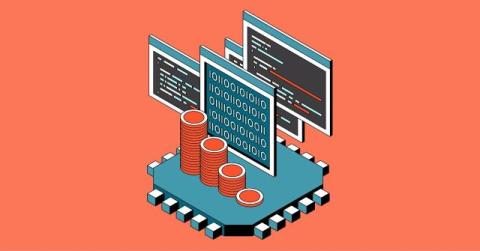
Hyperscaler vs. independent cloud: How startups should choose in 2026

A two-person startup signs up for the obvious hyperscaler because their last company used it, because Stripe runs on it, because the documentation is exhaustive, and because the free tier looks generous. Eighteen months later, with a small team and a healthy seed round, they discover they're spending $18,000 a month, and they don't quite know where most of it is going. Three engineers can describe the architecture in detail. Nobody can describe the bill.

Stop ECS Containers From Collapsing Into One Service in OpenTelemetry

Why ECS containers collapse under service.name = aws_ecs and how to fix it for both EC2 launch type and Fargate, including the resource-vs-log-record pitfall that quietly breaks log filtering. Prathamesh works as an evangelist at Last9, runs SRE stories - where SRE and DevOps folks share their stories, and maintains o11y.wiki - a glossary of all terms related to observability.

Step 5 to Web App Deployment: Cloud Configuration (Where Your App Actually Lives)

So far in this deployment series, you’ve: Now we arrive at the layer that quietly determines whether your app thrives… or throws mysterious 2am errors. Step 5 is cloud configuration. This is where your application gets its infrastructure, its environment, and its ability to scale without drama.