Operations | Monitoring | ITSM | DevOps | Cloud

The latest News and Information on Incident Management, On-Call, Incident Response and related technologies.

The definitive guide to event correlation in AIOps: Processes, tools, examples, and checklist

Are you tired of sifting through a sea of IT events and alerts? Or perhaps you’ve found yourself overwhelmed by the volume of data flooding your monitoring systems and challenged to identify the incident root cause. There’s a better way to manage the chaos: using AIOps to unite disparate tools, data, and teams for event correlation.

PagerDuty for Customer Service Operations

Provide relevant context to solve customer problems. Customer service representatives need relevant historical context in order to accurately and quickly resolve the issue at hand. Reduce the impact on your customers by layering monitoring data from technical resources across your organization with data from customer calls and other systems of record—so you have a holistic view of an issue and can identify the right solution quickly.

AIOps use cases: Technical, operational, and business examples

ITOps is at a crossroads: Teams struggle to manage a high volume of alerts and coordinate between different tools and teams. Teams also must balance cloud technologies’ agility and on-premise solutions’ stability. The sheer speed of today’s IT demands both flexibility and visibility in development and harmonized tech stacks.

Getting started on alerts with Escalation Policies

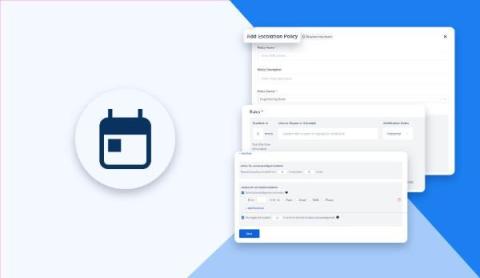
Escalation policies are essential for making sure that incidents are quickly addressed and resolved. They provide a systematic approach to automate alerts, guaranteeing that no incident goes unnoticed. Let’s get you started, shall we? An escalation policy is a way to automate alerts and assure that incidents are never missed. The first point of contact for an incident is through an alert that is sent according to the escalation policy.

The price of building your own incident management tool is not what it seems.

Build or buy? An age-old decision that gets made dozens of times a year. It’s quite possibly one of the most important decisions you make as an company. It impacts roadmaps, productivity, team structure, and customer satisfaction (you know, just a few little things). There are a lot of factors to consider, one of the most prominent being cost. So, what exactly are the costs you need to consider when building your own incident management solution?