Operations | Monitoring | ITSM | DevOps | Cloud

Troubleshooting Cloud Services and Infrastructure with Log Analytics

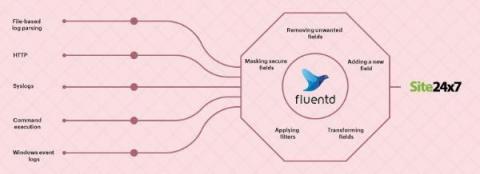
Troubleshooting cloud services and infrastructure is an ongoing challenge for organizations of all sizes. As organizations adopt more cloud services and their cloud environments grow more complex, they naturally produce more telemetry data – including application, system and security logs that document all types of events. All cloud services and infrastructure components generate their own, distinct logs.

New Bucket Schema Option Can Protect You From Unwanted Schema Changes

One of the best things about getting started with InfluxDB over traditional relational databases is the fact that you don’t need to pre-define your schema in order to write data. This means you can create a bucket and write data in seconds, which can be pretty powerful to developers who care way more about the application they’re building than the mechanics of storing the data.

When it comes to IT asset discovery, a snapshot won't suffice

How clear, complete, and colorful is your IT asset data? Is it like the picture below, where you see only a small portion of the bigger picture to answer important questions about your IT estate? Without color, you’re missing even more context. You need better IT asset discovery. Having a snapshot provides a limited view. It lacks context and is like managing your IT assets in silos. It’s cumbersome, inefficient, and ineffective.

Monitor Conviva with Datadog

Conviva is a platform that helps businesses gain real-time insight into the overall performance and playback quality of their streaming video content. With video streaming workflows, slow start-up times and playback errors can hinder user experience and ultimately drive customers away. With Conviva, you can view key Quality of Experience (QoE) metrics, including video playback failures, rebuffering ratios, and other business-critical data to help monitor and enhance your viewer experience.

What is Load Testing? Processes, Types, Best Practices, Tools, and More

Any software development project will almost certainly have through several tests by the time it is finished, especially in an Agile testing environment where testing and development occur simultaneously. But, no matter how many tests you've conducted, there's really only one way to tell if your software can handle the actual demands your army of end-users will be throwing on it once it's nearly finished. It's known as load testing.

Why Teams Performance Monitoring is More Than Just Measuring Uptime

When your organization’s very ability to share, collaborate and meet depends on Microsoft Teams performing, solely watching Teams service availability simply isn’t enough. Employees operate on the assumption that every bit of technology they rely on just works. Teams is the modern example of the most critical application to businesses today, with over 145 million daily active users.

Build an Automation-First Security Culture

When you think about how to automate processes within the IT industry, your mind probably goes first to tools. After all, the past decade has witnessed an explosion of tools from across the industry that promise to make it easy to automate virtually every aspect of IT operations — from low-code development solutions that automate coding, to release automation tools for applications, to automated monitoring and security platforms.

Is it All About the Brand? Yes and No!

Working for a company, you always want to think that your product or service is superior to the competition. As a Marketing executive, a major part of my job is to highlight why Ribbon is a leader in delivering IP Optical and Cloud & Edge solutions to the largest service providers, enterprises and critical infrastructure companies all over the world. But how do our customers perceive us? What do they really think of the Ribbon brand? How do we fare against our competitors in customers’ minds?

Upgrading: Building for the Future

At the heart of RapidSpike is a development team who are passionate about pushing their abilities, learning new technologies and ultimately driving our software and product forward. We’ve researched and developed many cutting-edge features over the last 6 years but we’re shifting our focus this year. We’re taking a step back from new feature development in favour of upgrading, exploring and applying new technologies to existing functionality.