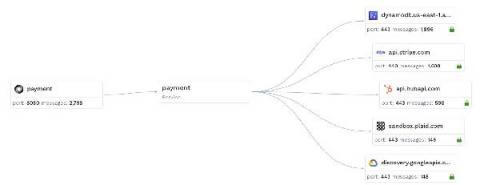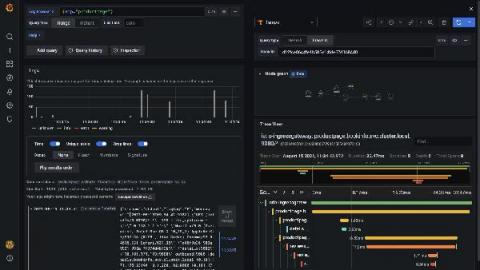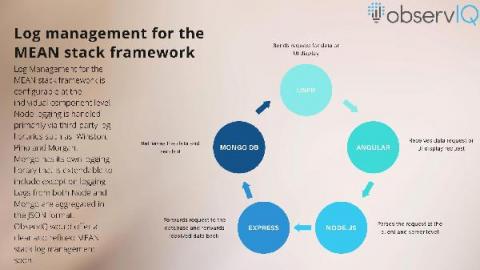
We recently released the Lumigo Dynamic Dashboard to help our customers visualize metrics to monitor their environment the way they want.
We’re excited to present a feature update to the OnPage platform. The new update will bring more flexibility and resiliency to a team’s on-call management workflow. With the new scheduling capabilities, OnPage system administrators can create exceptions to configured, recurring on-call schedules.
COVID-19 certainly accelerated some trends. For example, in my view, COVID-19 accelerated the pace and progress of digital transformation by five to 10 years, as companies faced the need to adapt to a post-COVID-19 world, involving permanently the higher adoption of remote work, remote education, and digital touch-points. Technologies requiring less human touch and more digital touch-points will be adopted faster in the aftermath of COVID-19.
No user likes to spend time waiting for a web page to load. No web developer likes a website or app to fail either. It’s important to focus on creating quick loading pages with error-free code. JavaScript is used to build the majority of the dynamic, real-time applications. JavaScript’s strength is in the context of apps that update content dynamically with minimal latency. JavaScript performance testing should be a priority for ensuring a good end user experience and optimal performance.
Keeping up with customer demand and staying ahead of the competition requires fast releases and efficient code. This is where DevOps comes into play. Where DevOps is the practice, mindset, and culture of combining software development (i.e. Dev) and IT operations (i.e. Ops) to accelerate the development lifecycle and provide continuous delivery without compromising quality.
During the next eight weeks, our team will work to improve the overall experience of Qovery. We gathered all your feedback (thank you to our wonderful community 🙏), and we decided to make significant changes to make Qovery a better place to deploy and manage your apps. This series will reveal all the changes and features you will get in the next major release of Qovery. Let's go! Read the previous article: The Future of Qovery - Week #2.
When you're a single person running a system with thousands of users or more, it can be pretty daunting to think about going on holiday, or even relaxing for a weekend. "What if it goes down, and I'm not there to fix it?!" you ask yourself. While you can never really guarantee that nothing will go wrong, you can take some steps to minimise your risk of things going wrong.
Finding relationships between disparate events and patterns can reveal a common thread, an underlying cause of occurrences that, on a surface level, may appear unrelated and unexplainable. The process of discovering the relationships among data metrics is known as correlation analysis. For data scientists and those tasked with monitoring data, correlation analysis is incredibly valuable when used for root cause analysis and reducing time to remediation.