Operations | Monitoring | ITSM | DevOps | Cloud

The AppScope Origin Story

Since we introduced AppScope in 2021, we’ve been relentlessly working towards the production-ready milestone. Last week we released AppScope 1.0. It’s been a long haul getting to this point. Not really sure if it took this long because we solved difficult problems, or if we’re just that slow. Someone told me that what we are doing would go a lot faster if we use a modern high-level language. Maybe … Can you imagine doing this in TypeScript? Yeah, me either.

Deploying a React application to Netlify

React, a front-end framework for building user interfaces, uses component-based architecture and non-opinionated design principles, making it a developer favorite. React has been widely adopted and has a large community of developers behind it. Netlify is a popular framework for hosting React applications, but it does not provide your team with the highest level of control over the deployment process. As a result, you are not able to perform important tasks like running automated tests.

Customizing the JFrog Xray Horizontal Pod Autoscaler

In cloud native computing (Kubernetes in our case), there is a requirement to automatically scale the compute resources used for performing a task. The autoscaling cloud computer strategy allows to dynamically adjust the active number of application servers and allocated resources instead of responding manually in real-time to traffic surges that necessitate more resources and instances.

Using Lambda Extensions to Streamline Observability

Lambda is a top-rated compute service available on the AWS cloud service network. Its popularity largely derives from its ease of use, allowing users to run Lambda functions reliably without provisioning or managing servers. Lambda can be triggered manually or by any linked events in the AWS network, including DynamoDB streams, SQS, Kinesis, and more.

Putting the "Action" in Actionable Intelligence

AIOps combines machine learning and people to deliver technical outcomes in IT operations. The promise of this capability continues to drive new contenders to the market. AIOps has become a core messaging component for all the major event management players. Many have just rebranded their products to specifically highlight AIOps features. Emerging event management players have arrived and tried to also claim the AIOps space.

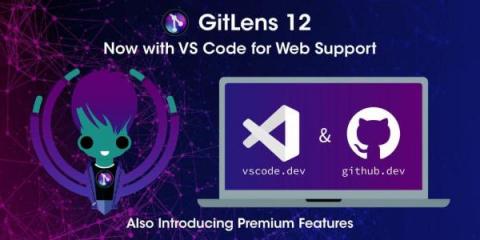
GitLens 12 - Visual Studio Code for the Web Support & GitLens+

GitLens users rejoice! This release introduces exciting updates, including preview support for a browser-based editing experience in VS Code online, legendary new GitLens+ features like Worktrees and Visual File History, and more! Keep reading to see what’s new in GitLens 12.

Can Endpoint Protection Keep up With Modern Threats?

Endpoint protection is a security approach that focuses on monitoring and securing endpoints, such as desktops, mobile devices, laptops, and tablets. It involves deploying security solutions on endpoints to monitor and protect these devices against cyber threats. The goal is to establish protection regardless of the endpoint’s location, inside or outside the network.