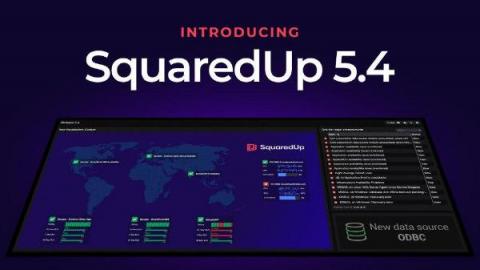
SquaredUp 5.4 is here and it’s got some brilliant new features and upgrades to help you troubleshoot and find answers faster than ever. You’ll find the upgrades across all three SquaredUp editions – for SCOM, Azure, and the free Community Edition. Here are the highlights in the new release: Check out our release webinar for a detailed walkthrough and demo.
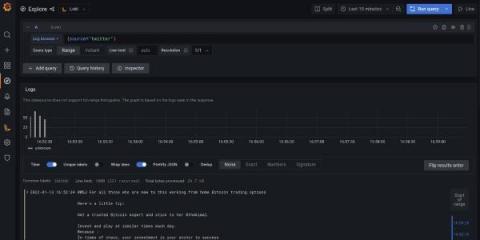
Many logging solutions are available on the market to deal with log data, each focusing on a different part of the logging issue including log aggregation. These solutions are open-source and proprietary software and tools incorporated into cloud provider platforms, as well as a variety of capabilities to fulfill your requirements. Grafana Loki is a new industry solution, so let's take a closer look at what it is, where it originated from, and whether it can suit your logging requirements.
The term “off-label” is used to describe when a product is being used successfully for something other than its intended purpose. It’s a quite common occurrence in the pharmaceutical industry, but it can also happen in the world of software. Grafana Loki was written as — and is marketed as — a simple, Prometheus-friendly logging backend with a very low total cost of ownership.
Intro to the CLI – Part 1: Why Learn to Use The Terminal and Some History Long-time fans of GitKraken Client have come to love the graphical user interface, or GUI, that allows you to click on a Git branch or commit to perform an action or even drag and drop a branch to start a pull request. Version 8.0 of GitKraken Client introduced the GitKraken CLI, allowing you to interact with your repositories, and the rest of your computer, from Terminal Tabs.
The 404 error is one of the most common web errors experienced by users. There are a number of different reasons that the server might not be able to find the resources requested by the user. For example, if a link on your site points to a non-existent page, a 404 error will be generated by the server. Here is a collection of 24 great 404 pages for your inspiration.
Your website is the lifeblood of your business. It’s how you connect with your customers and market your product or service. You want to know that it’s running smoothly at all times, but that may not always be the case. Sites go down due to many different events such as DDoS attacks, hardware failures, and human error. Luckily, there are ways to monitor your site for downtime and take precautions before it reaches critical status.
We’re excited to announce the release of a major update to the Google Cloud Python logging library. v3.0.0 makes it even easier for Python developers to send and read logs from Google Cloud, providing real-time insights into what is happening in your application. If you’re a Python developer working with Google Cloud, now is a great time to try out Cloud Logging! If you're unfamiliar with the `google-cloud-logging` library, getting started is simple.