Operations | Monitoring | ITSM | DevOps | Cloud

What is AIOps?

AIOps is an approach to managing the exponential growth of IT operations and the complexity of new technology through the application of artificial intelligence (AI). IT infrastructure increasingly relies on complicated deployments, multi-cloud architectures, and huge amounts of data. Traditionally, the tech industry responds to complexity by applying extra brainpower to the problem, bringing in more engineers, developers, and management.


Istio Log Analysis Guide

Istio has quickly become a cornerstone of most Kubernetes clusters. As your container orchestration platform scales, Istio embeds functionality into the fabric of your cluster that makes monitoring, observability, and flexibility much more straightforward. However, it leaves us with our next question – how do we monitor Istio? This Istio log analysis guide will help you get to the bottom of what your Istio platform is doing.

Detailed Insight, Right on Time: Introducing Scheduled Alerts

Logz.io customers, here’s some big product news that we think you’ll be excited to hear. Scheduled Alerts, an altogether new manner of alerting, is coming your way. That’s right, get ready to utilize a whole new world of alerts that weren’t previously available in the Logz.io platform.

Deploying to production in <5m with our hosted container builder

Fast build times are great, which is why we aim for less than 5m between merging a PR and getting it into production. Not only is waiting on builds a waste of developer time — and an annoying concentration breaker — the speed at which you can deploy new changes has an impact on your shipping velocity. Put simply, you can ship faster and with more confidence when deploying a follow-up fix is a simple, quick change.

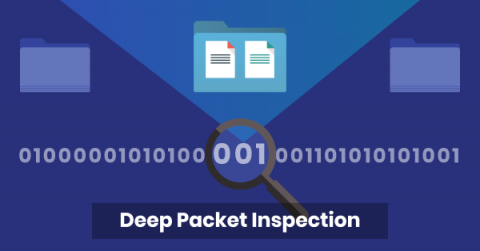
Real-time threat response for Kubernetes workloads, using threat intelligence feeds and deep packet inspection

Cloud-native transformations come with many security and troubleshooting challenges. Real-time intrusion detection and the prevention of continuously evolving threats is challenging for cloud-native applications in Kubernetes. Due to the ephemeral nature of pods, it is difficult to determine source or destination endpoints and limit their blast radius. Traditional perimeter-based firewalls are not ideal fit for Kubernetes and containers.

How to Restore Databases From Native SQL Server Backups

In my previous post, Native SQL Server Backup Types and How-To Guide, I discussed the main types of native SQL Server backups and various backup options. Backups are critical to restoring databases quickly, but there isn’t much benefit to having backup files sitting around if you aren’t prepared and know when and how to perform the restores.

Embrace your Updates

As developers, we’re passionate about creating and delivering high-quality software to our end-users and customers. Simply knowing that our software was shipped, deployed, and is being used is a great achievement. And it looks like we did a good job. Everything around us in our lives depends on high-quality software. Software needs to run for us to get water, energy, electricity, transportation, food, etc. Developers have a huge responsibility to keep this software updated and running efficiently.

Python Malware Imitates Signed PyPI Traffic in Novel Exfiltration Technique

The JFrog Security research team continuously monitors popular open source software (OSS) repositories with our automated tooling to report vulnerable and malicious packages to repository maintainers. Earlier this year we disclosed several malicious packages targeting developers’ private data that were downloaded approximately 30K times. Today, we will share details about 11 new malware packages that we’ve recently discovered and disclosed to the PyPI maintainers (who promptly removed them).