Operations | Monitoring | ITSM | DevOps | Cloud

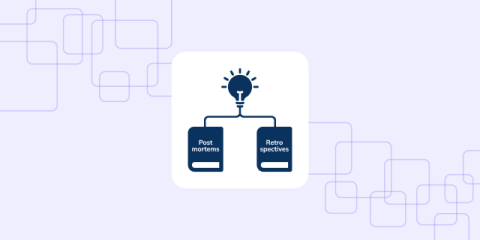
Lessons from the Aftermath: Postmortems vs. Retrospectives and Their Significance

Understanding what went wrong, what went right, and how to improve is crucial for IT teams striving for excellence. But as teams evaluate their processes and outcomes, they often encounter two tools for reflection: postmortems and retrospectives. While they may seem similar at first glance, their objectives and applications differ significantly. Let’s dive into the nuances of retrospective vs. post mortem and explore why both hold a pivotal place in team growth and project success.

How to Handle Null or Empty Values in SQL Server

When working with databases, we often encounter rows that lack data. This missing data may result from unknown or inapplicable values, errors during data import or input, or specific calculations involving non-existent values. In such cases, there are two ways to represent missing data: NULLs and empty (or blank) values. While these might seem identical at first glance, they are different and impact essential database operations in distinct ways.

Reflecting on 2024: A year of growth and innovation for CloudSpend

CloudSpend Wrapped 2024 As the holiday spirit fills the air, it’s time to look back at a truly transformative year for ManageEngine CloudSpend. With a suite of groundbreaking features, 2024 saw CloudSpend evolve into a powerful tool for managing multi-cloud costs effectively. Let’s revisit the key milestones and share some exciting glimpses of what lies ahead.
Sponsored Post

Enhanced Monitoring for Citrix Environments

Citrix has become a cornerstone of modern IT infrastructures, particularly as organizations adapt to remote and hybrid work models. By providing secure, scalable solutions for delivering virtualized applications and desktops, Citrix enables businesses to centralize their IT operations while ensuring employees can access the resources they need from any location. Key solutions, such as Citrix Virtual Apps and Desktops (VAD) and Citrix Application Delivery Controller (ADC), empower organizations to manage virtualized workloads efficiently, regardless of the underlying hardware or cloud environment.

NoOps and the Future of DevOps: How GenAI is Eliminating the Tools Tax

Software development has evolved into a complex symphony of tools, platforms, and processes. While each new tool promises to solve specific challenges, together they’ve created an unexpected burden on development teams. The very solutions meant to streamline our work have paradoxically become a source of friction. A shocking stat from Gartner reveals the scale of this crisis: developers spend only 10-25% of their time actually writing code.

Jitter vs Latency: Definitions and Differences for Better Network Performance

If you’ve ever experienced choppy audio or video calls, slow website loading, or laggy gaming sessions, chances are you’ve dealt with either latency or jitter issues – or possibly both. These problems plague networks both large and small, from Fortune 500 companies to neighborhood coffee shops offering free WiFi.

Diving into .NET 9.0, Blazor, and Observability with Coralogix

So, there I was, a newbie to.NET 9.0, Blazor, and Coralogix, standing on the precipice of observability in a world of production bugs and development mysteries. As an Agile enthusiast, I’m well versed in all things “observability” and how it’s a game-changer for root cause analysis, especially in today’s rapid, iterative development cycles. Observability is like getting X-ray vision into your application to understand what’s truly happening based on system outputs.

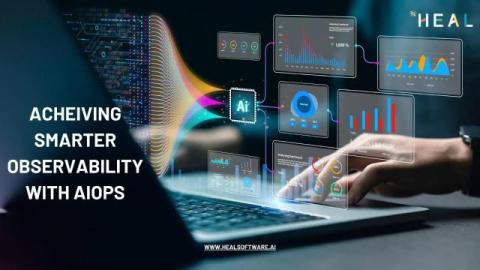
Observability to AIOps: Transforming Anomaly Detection for Modern Enterprises

As businesses increasingly digitize operations, IT systems are evolving into complex, distributed ecosystems. Applications run across multi-cloud environments, microservices power critical processes, and data flows in real time across countless touchpoints. While this transformation drives agility and scalability, it introduces significant challenges: hidden anomalies that can disrupt operations, frustrate users, and damage revenue.

New improvement: Component filter tags for easier filtering

One of StatusGator’s most important cloud service monitoring features is component filtering. Many services have multiple components such as regions, products, or features and not every component may be relevant to you. Our new component filter tags help you quickly identify how many components of a service you’re currently monitoring. This makes it easier to ensure your notifications are focused on what matters most.