Operations | Monitoring | ITSM | DevOps | Cloud

Introducing Logsene CLI

In vino veritas, right? During a recent team gathering in Kraków, Poland, and after several yummy bottles of țuică, vișinată, żubrówka, diluted with some beer, the truth came out – even though we run Logsene, a log management service that you can think of as hosted ELK Stack, some of us still ssh into machines and grep logs! Whaaaaat!? What happened to eating our own dog food!?


Getting started with Tensor Cores

Technology is advancing rapidly, and with it comes a growing demand for powerful computers, especially in fields such as machine learning (ML), artificial intelligence (AI), and high-performance computing. As these areas develop, the size and complexity of the data they handle also increases. This surge in computing power requirements necessitates new methods for processing large amounts of data efficiently, without sacrificing accuracy or speed.

2025 Starts Here: PagerDuty Innovations to Help You Tackle What's Next

As we enter 2025, we reflect on a year committed to innovation and customer success at PagerDuty. In 2024, we introduced capabilities that empowered operations teams to mitigate risks, protect customer trust, and improve business outcomes. From managing global outages to addressing complex digital operations, the PagerDuty Operations Cloud enabled organizations to respond faster, work smarter, and build operational resilience.

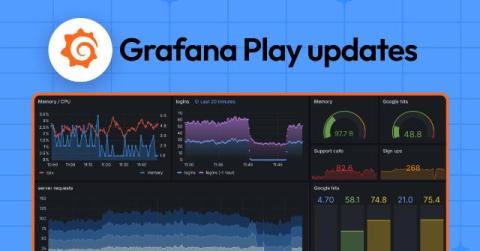
Grafana Play updates: recent growth, new privacy policies, and more

It’s hard to believe Grafana Play has been around for almost a decade. The platform continues to be a great way to demo Grafana, play around with new features, learn what’s possible, and simply have fun with data. Grafana Play provides a publicly available version of Grafana Cloud, and requires no login for access. It’s preloaded with a wide range of sample dashboards that teach users how to work with data sources, create visualizations, and explore advanced Grafana features.

Using the Python Client Library with InfluxDB v3 Core

The long-awaited InfluxDB 3 Core is finally here, introducing a powerful new way to manage your time series data. InfluxDB 3 Core is an open source recent-data engine for time series and event data. It’s currently in public Alpha under MIT/ Apache 2 license. In this post, we’ll dive into how to query and write data using the Python client library, unlocking the full potential of InfluxDB v3 Core with clear, hands-on examples.

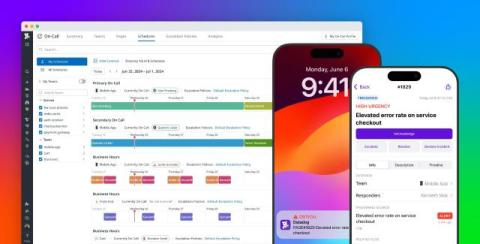
Enrich your on-call experience with observability data at your fingertips by using Datadog On-Call

The stress, sudden disruptions, and high stakes of resolving issues while on call is one of the most challenging aspects of an engineer’s job. Many organizations, from startups to large enterprises, still struggle with their on-call experience, which leads to longer resolution times and lower employee retention rates. Constant context switching, managing multiple tools, and racing against time to resolve issues can cause frustration, burnout, and inefficiency.

gRPC vs HTTP vs REST: Which is Right for Your Application?

When building modern applications, choosing the right communication protocol is crucial for performance, scalability, and ease of integration. Among the most common options, gRPC, HTTP, and REST often come up in discussions, each with its strengths and weaknesses. But how do you know which one to use? Let’s break it down in this comprehensive comparison.