Operations | Monitoring | ITSM | DevOps | Cloud

Going for gold: Testing the resilience of Olympic websites

As the world gears up for the Paris Olympics, it’s not just athletes who need to be in peak condition. This Olympics comes hot on the heels of the largest IT outage in history. Recovery efforts from the CrowdStrike outage are still ongoing. Lessons will be learned, no doubt, but at least one takeaway is already evident: the modern web is an oh-so-fragile thing; neglect digital resilience at your peril.


AKS Cost Optimization: How To Lower Your AKS Costs

Cloud-native applications continue to evolve and grow in complexity. And that complexity hurts the most when managing Kubernetes costs in Azure. AKS cost optimization may seem obvious, but it might also seem difficult to achieve. Microsoft’s fully managed Kubernetes service can help you run, manage, and deploy containerized applications. And while it optimizes performance, it can cause unexpected costs when improperly managed.

Monitor Amazon MemoryDB with Datadog

Amazon MemoryDB for Redis is a highly durable in-memory database service that uses cross-availability-zone data storage and fast failover, providing microsecond read times and single-digit-millisecond write times. Datadog’s integration for MemoryDB uses a range of metrics to provide important visibility into MemoryDB performance.

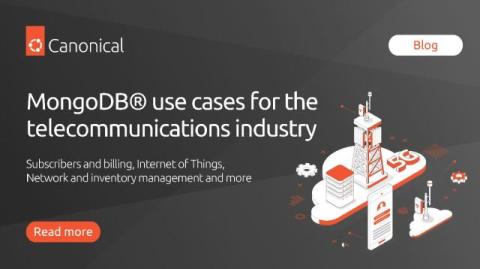
MongoDB use cases for the telecommunications industry

A trusted database is fundamental to the smooth and secure operation of telecommunications services:, from network management and customer service to compliance and fraud prevention. MongoDB is one of the most widely used databases (DB Engines, 2024) for enterprises, including those in the telecommunications industry. It provides a sturdy, adaptable and trustworthy foundation. It also safeguards sensitive customer data while facilitating swift responses to rapidly evolving situations.

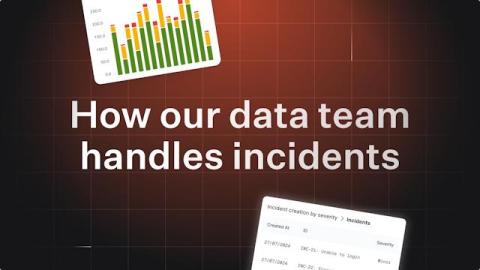
How our data team handles incidents

Historically, data teams have not been closely involved in the incident management process (at least, not in the traditional “get woken up at 2AM by a SEV0” sense). But with a growing involvement of data (and therefore data teams) in core business processes, decision making, and user-facing products, data-related incidents are increasingly common, and more important than ever.

Leveraging AI for Efficient On-call Scheduling

Regardless of industry specifications, creating and maintaining a highly functional incident management process is crucial for organizations of all sizes. The various potential applications of Generative AI in this process can significantly enhance the efficiency, accuracy, and speed of incident detection, analysis, and resolution. GenAI can be utilized across all stages of the incident management process, including preparation, response, communication, and learning.

How Network Observability Helps Lay the Foundation of Autonomous IT Operations

We often hear the term "observability" in the context of DevOps and how SREs use telemetry data. Collecting and analyzing this telemetry data is a vital first step to a successful autonomous IT operations strategy. Observability can help you find out about problems in your system you didn’t know you had—and before your users are impacted—by giving you new visibility that your monitoring systems don’t provide. But any observability initiative must also include network observability.

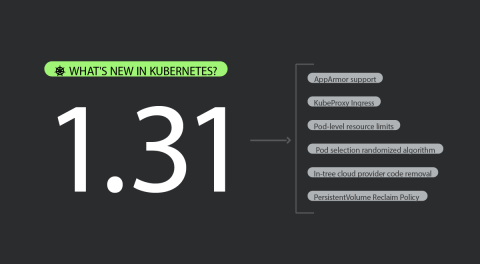
Kubernetes 1.31 - What's new?

Kubernetes 1.31 brings a plethora of enhancements, including 37 line items tracked as ‘Graduating’ in this release. From these, 11 enhancements are graduating to stable, including the highly anticipated AppArmor support for Kubernetes, which includes the ability to specify an AppArmor profile for a container or pod in the API, and have that profile applied by the container runtime.

Why Your Telemetry(Observability) Pipelines Need to be Responsive

At Mezmo, we consider Understand, Optimize, and Respond, the three tenets that help control telemetry data and maximize the value derived from it. We have previously discussed data Understanding and Optimization in depth. This blog discusses the need for responsive pipelines and what it takes to design them.