Monitoring and observing application performance is a cornerstone for maintaining robust and efficient systems in the ever-evolving development landscape. One key player in this domain is OpenTelemetry. This post provides a comprehensive tutorial and unpacks what OpenTelemetry is, its applications and integration into the JavaScript ecosystem.
We’ve posted a bit about the ambiguity around MTTR before, but we want to get deeper into the confusion and maybe false sense of security our reliance on MTTR causes, from both a qualitative and quantitative standpoint.
In the online world, the unassuming cookie plays a pivotal role and serves as small data stored by websites in visitors’ browsers. As users navigate the Internet using their browsers, these cookies — which are crucial for recognizing returning users — accumulate in vast numbers, even during a single website visit. Various entities, including the website itself and third-party platforms like Google Analytics, add virtual cookies.
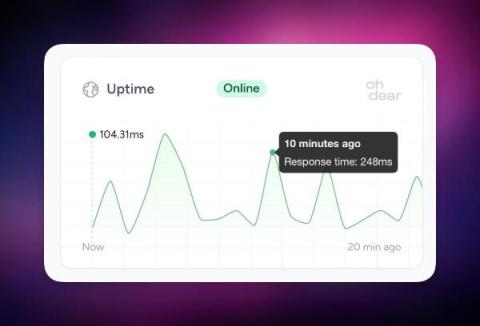
Today, we released the ohdearapp/ohdear-pulse package, which contains Laravel Pulse cards to show you the status of your scheduled jobs, any broken links you have in your Laravel app, and uptime / HTTP performance stats. All of these cards use the Oh Dear API to fetch their data. Laravel Pulse is a first party package that can display a dashboard with information surrounding usage and performance of your Laravel app. Here’s how a default installation looks like.
Monitoring tools, also known as observability solutions, are designed to track the status of critical IT applications, networks, infrastructures, websites and more. The best IT monitoring tools quickly detect problems in resources and alert the right respondents to resolve critical issues. Response teams use observability solutions to gain real-time insights into resource availability, stability and performance.
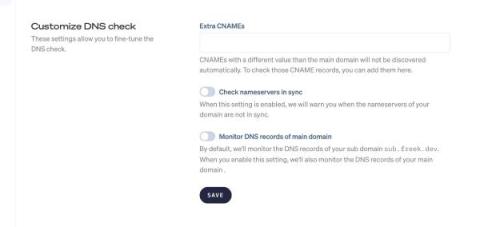
As you probably know, Oh Dear is run by a small but capable team. One of the advantages of being small is that we can implement stuff pretty quickly: there’s no red tape, and our code base is very healthy. So, when our users have feature requests that make sense to add to Oh Dear, we can move fast. In the past month, we implemented two smallish feature requests for our DNS check we got through support. Here’s what our new DNS settings screens look like.