The financial and operational ramifications of downtime have become increasingly pronounced over the past seven years. In 2014, Gartner predicted that downtime costs organizations an average of $300,000 per hour. However, recent statistics lie in sharp contrast to this 6-figure estimate, with 44% of organizations now counting their hourly downtime costs at over $1 million - exclusive of the ensuing penalties or legal fees.
The Digital Operational Resilience Act (DORA) is set to significantly impact the financial sector. Coming into full effect in 2025, this EU regulation will set new standards for information and communications technology (ICT) risk management. In this landscape, how can financial firms ensure they’re not only compliant, but also operationally resilient?
Kubernetes (K8s) is at the forefront of modern infrastructure, but with its capabilities comes a deluge of telemetry data. Efficiently managing and optimizing this data is crucial to harnessing the full potential of your Kubernetes deployments.
From the tight global labor market to social and political volatility, macroeconomic headwinds continue to hamper business growth. Such a complex environment is anything but smooth. Your organization may be feeling pressure to deliver on initiatives to support talent, products and services, and business operations. Finding success in these areas requires digital transformation. Innovative companies are best positioned to prosper and thrive.
Chances are, you’re familiar with the strategy of adding an additional “9” to service level agreements (SLAs) to boost the experiences your organization provides. With plenty of ways to do so, there’s one that particularly stands out among the others: Service Blueprinting. Banking executive Lynn Shostack in 1984 first described a service blueprint in a Harvard Business Review publication.
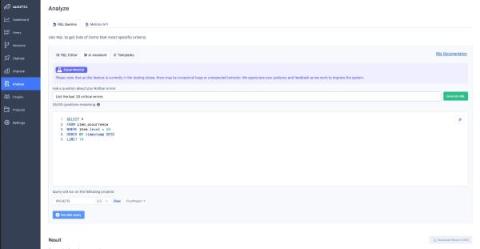
We're excited to share an update to our Analyze package—introducing the RQL AI Assistant, a natural language AI assistant to help you write your RQL queries. If you've ever been frustrated by the complexity of Rollbar Query Language (RQL) or the time it takes to get your data, this feature is the solution you've been waiting for. We understand working with the RQL has been a steep learning curve for many.
Whether you're a business that relies on Amazon reviews and seller feedback or planning a much-needed holiday through your favorite travel comparison site, everyday activities like these wouldn't be impossible without APIs. An integral part of app development, API technology is interwoven into a rich tapestry of popular applications that companies and consumers use daily. Without them, there would be no smartphones, social media, or instant messaging.
Access-related challenges form a significant portion of the common issues encountered within SharePoint environments. These challenges can manifest in numerous forms, including denied access to resources, unresponsive buttons, or dysfunctional links. Unveiling the root causes and solutions to these access challenges is crucial for maintaining a seamless SharePoint user experience.