Using Ephemeral Environments for Chaos Engineering and Resilience Testing
Dive into the world of chaos engineering and resilience testing with ephemeral environments, ensuring your systems can withstand unexpected challenges.


Performance testing plays a critical role in application reliability. It enables developers and engineering teams to catch issues before they reach production or impact the end-user experience. Understanding performance test results and acting on them, however, has always been a challenge. This is due to the visibility gap between the black-box data from performance testing and the internal white-box data of the system being tested.
In our latest announcement, we are thrilled to launch our Internet Resilience Program, previously known as Black Friday Assurance. This program provides on-demand access to a team of expert engineers to help ensure the performance and resilience of websites and applications during crucial events. While it’s evident why eCommerce companies find this program indispensable during peak holiday seasons, shopping events are not the only occasion when IT teams are stretched to the limit.
As consumers, we expect the products and software we buy to work 100% of the time. Unfortunately, that’s impossible. Even the most reliable products and services experience some disruption in service. Crashes, bugs, timeouts. There are a ton of contributing factors, so it's impossible to distill disruptions down to a single cause. That said, technology is becoming more and more sophisticated, and so is the infrastructure that supports it.
Want to hear a sad but true fact? 70% of companies overshoot their cloud budgets. Why is that? Although the cloud is a mighty tool for speed, scalability, and innovation, the inability to see costs can lead companies to limit cloud usage, which hampers innovation and puts them at a disadvantage against the competition. Rather than limiting cloud usage, adopting the FinOps approach provides the insights you need to feel confident about your cloud costs.
In the fast-paced, dynamic landscape of multi-domain operations, military commanders need to be able to make rapid, data-driven decisions and seamlessly coordinate units to achieve mission success. The multi-domain fight is incredibly complex, incorporating ground, air, space, and cyber, and as a result, has driven the evolution of traditional command and control (C2).
Hello, and welcome to this deep dive into one of the most underappreciated yet profoundly useful technologies in the Windows operating system—Volume Shadow Copy Service, commonly known as VSS. Have you ever been caught in a situation where your computer crashes, and you lose hours, days, or even weeks of work? It’s a heart-stopping moment that most of us have unfortunately experienced. But here’s where VSS comes into play.
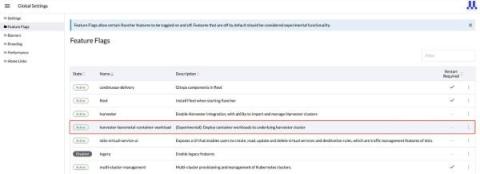
Ten months have elapsed since we launched Harvester v1.1 back in October of last year. Harvester has since become an integral part of the Rancher platform, experiencing substantial growth within the community while gathering valuable user feedback along the way. Our dedicated team has been hard at work incorporating this feedback into our development process, and today, I am thrilled to introduce Harvester v1.2.0!
Node.js logging is an important part of supporting the complete application life cycle. From creation to debugging to planning new features, logs support us all the way. By analyzing the data in the logs, we can glean insights, resolve bugs much quicker, and detect problems early and as they happen. In this post, we will talk about the who, what, when, where, how, and why of Node.js logging. Later in this post, the “how” section will give insights into using code.