Operations | Monitoring | ITSM | DevOps | Cloud

Practical guidance for getting started as a site reliability engineer

At the beginning of May, I joined incident.io as the first site reliability engineer (SRE), a very exciting but slightly daunting move. With only some high-level knowledge of what the company and its systems looked like prior to this point, it’s fair to say that I didn’t have much certainty in what exactly I’d be working on or how I’d deliver it.

Exploring Kubernetes 1.28 Sidecar Containers

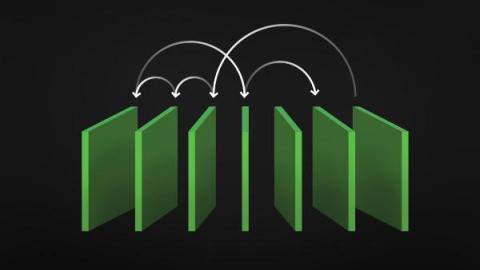
Kubernetes v1.28 comes with multiple new enhancements this year and we’ve already covered an overview of those in our previous blog, Do check this out before diving into sidecar containers. We’re going to completely focus on the new sidecar feature for this post, which enables restartable init containers and is available in alpha in Kubernetes 1.28.

Why "good reply game" matters in open source communities

Communities of all sorts, including open source communities, boil down to the daily interactions we have with one another. What we call “the community” emerges from a series of utterances and responses, which gives rise to relationships and networks. This makes “good reply game” essential to create, sustain, and grow an open source community.

Argo Rollouts at CircleCI: Progressive deployment for agile and efficient releases

At Circle, our traditional approach to Kubernetes (k8s) deployments likely looks familiar to many of you: Run the workflow, create the image, build the Helm chart and deliver it to k8s. At that point, k8s takes over with its rolling update. This method gets the job done, but we knew it wasn’t ideal. Limited support for canary releases and the need for time-consuming error monitoring and manual rollbacks added friction and risk to our release processes.

LBBC Technologies Creates a Custom Predictive Maintenance Program with InfluxDB, AWS, and MQTT

LBBC Technologies is almost 150 years old and dedicates time and resources to pushing the boundaries of pressure vessel and autoclave design through precision engineering, advanced technologies, and electronic intelligence. They prioritize investments in research and development to advance their vision for the future.

Replaying Backend Errors using Sentry's Session Replay

With Session Replay tools, you can more easily see what user actions lead to an error. For example, Sentry’s Session Replay is a first class integration with frontend errors that handles this case beautifully. Session Replay records the web browser, which will only show issues if they happen on the user’s webpage browsing session. As a backend developer, I thought it was a great feature, although I didn’t get to use it much.

How telcos are building carrier-grade infrastructure using open source

Service providers need cloud infrastructure everywhere, from modern 5G and 6G network functions running in the network core to sophisticated AI/ML jobs running on the edge. Given the sensitivity of those workloads to any interruptions, outages or performance degradations, the cloud infrastructure used by telecommunication companies needs to be fast, robust and ultra stable.

The BSL is a short-term fix: Why we choose open source

On August 13 2023, users of HashiCorp’s Terraform forked the software under the name OpenTF. This was a strong and rapid community reaction to HashiCorp switching the license on their products merely three days before. The list of companies and individuals pledging their support to the new fork has been overwhelming. The new license that HashiCorp has chosen for its products, the Business Source License (BSL), is no longer open source, but instead source-available.