Operations | Monitoring | ITSM | DevOps | Cloud

Kubernetes Architecture Part 1: Reasons to Choose Kubernetes

This Kubernetes Architecture series covers the main components used in Kubernetes and provides an introduction to Kubernetes architecture. After reading these blogs, you’ll have a much deeper understanding of the main reasons for choosing Kubernetes as well as the main components that are involved when you start running applications on Kubernetes. This blog series covers the following topics.

Unlocking the Co-Managed IT Services Opportunity

Earlier this month at N-able’s Empower partner event in Prague, I sat down with Head Nerd Stefanie Hammond, to discuss co-managed IT services and N-able’s recently released Co-managed Digital Playbook for MSPs. Whether you’re new to co-managed or looking build on existing offerings, the playbook provides guidance to MSPs on how to build, price, market, and sell co-managed IT services.

Use incident cycle time to optimize your incident response process

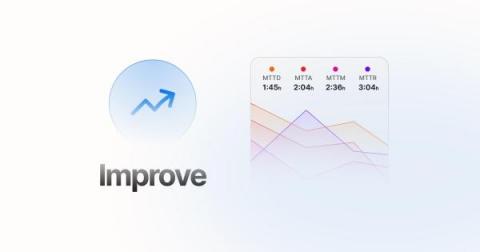
Although the causes and solutions for incidents vary widely, most incidents follow a similar timeline from declaration to resolution. We call the period of time it takes to move from one phase or milestone of an incident to the next cycle time.

From Spotify to Open Source: The Backstory of Backstage

Technology juggernauts–despite their larger staffs and budgets–still face the “cognitive load” for DevOps that many organizations deal with day-to-day. That’s what led Spotify to build Backstage, which supports DevOps and platform engineering practices for the creation of developer portals.

Elevate Customer-Facing Contact Centers with Nexthink

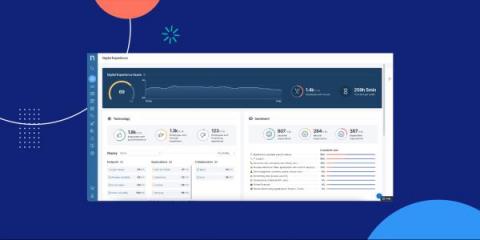
Contact centers (or call centers) are crucial touchpoints for customer interactions across various channels, including phone, email, SMS, live chat, and more. As businesses strive to deliver exceptional customer experiences (particularly in high-volume consumer-facing industries such as financial services, telecom, travel, insurance, healthcare, online retail, etc.), it’s imperative to optimize contact center performance. How imperative?

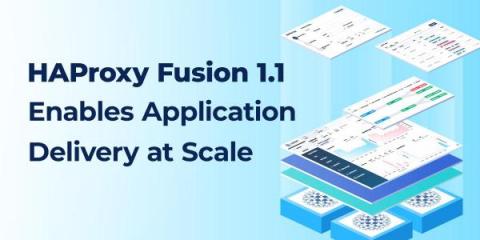
HAProxy Fusion 1.1 Enables Application Delivery at Scale

HAProxy Fusion Control Plane gives you power to simplify, scale, and secure your HAProxy Enterprise infrastructure using a centralized orchestration solution, making it easier to extend HAProxy Enterprise’s security and performance across on-premises and cloud-hosted applications. With the release of version 1.1, HAProxy Fusion is more secure, more flexible, and even easier to use.

What is Palo Alto Panorama?

Palo Alto Panorama is a network management system (NMS) that provides excellent security updates and static rules in a constantly changing world. The modern world is implementing more technology into our daily lives, so we need more creative and innovative solutions to protect our data and information. Implementing Palo Alto Panorama will reduce administrator workload by building a dashboard where you can monitor all of your IT operations in one place, in real-time.

5 Ways You Can Utilize Observability to Make Your Next Migration Easier

When people hear the word “migration,” they typically think about migrating from on-prem to the cloud. In reality, companies do migrations of varying types and sizes all the time. However, many teams delay making critical migrations or technical upgrades because they don’t have the proper tools and frameworks to de-risk the process.

ChatGPT and Elasticsearch: APM instrumentation, performance, and cost analysis

In a previous blog post, we built a small Python application that queries Elasticsearch using a mix of vector search and BM25 to help find the most relevant results in a proprietary data set. The top hit is then passed to OpenAI, which answers the question for us. In this blog, we will instrument a Python application that uses OpenAI and analyze its performance, as well as the cost to run the application.