Top 10 reasons to get started with Log Analytics today
Cloud Logging launched Log Analytics powered by BigQuery. The top 10 reasons to get started with Log Analytics for no additional cost


The latest News and Information on Log Management, Log Analytics and related technologies.
Cloud Logging launched Log Analytics powered by BigQuery. The top 10 reasons to get started with Log Analytics for no additional cost
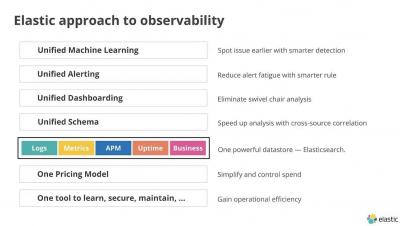
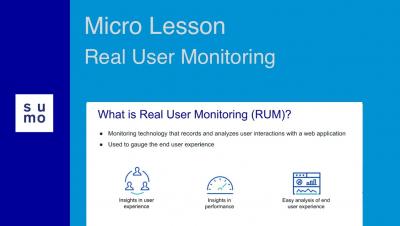
Hopefully by now you’re taken your first sip of Elastic RUM, or real user monitoring, and see the power of searching through traces and the User Experience metrics to gain insights into how users actually use and experience your application. One issue you may have experienced is the challenge of finding the source of errors for minified JavaScript files.
Virtually every business utilizes some form of data collection, no matter how big or small. While large-scale enterprises have more established methods for collecting, storing and analyzing data, smaller companies and start-ups are also beginning to understand the value of data collection and analysis in order to: This is especially true in the age of Big Data and democratized data — where we have more data-driven insights available to us than ever.
When you first hear “Robotic Process Automation” (RPA) you might immediately think of a manufacturing line with a series of physical robots each doing their part to build something. RPA is SO much more than that! The “bot” in this sense is an AI powered piece of software that can interface with any system you run today just as a human would.
The best part of my job is talking to you, our prospects, and customers, about your logging and data practices. I love listening to what you are doing and hope to accomplish, so I can get a sense of the end state. My goal is to brainstorm solutions that provide overall value across the enterprise, and not just aim for a narrow tactical win with limited impact. In late September, I hung out at a local DevOps conference in Brooklyn with the NYC Cribl sales team.
This is a beta for the upcoming release of Graylogv5.0. Please read on for detailed descriptions of everything that is included.
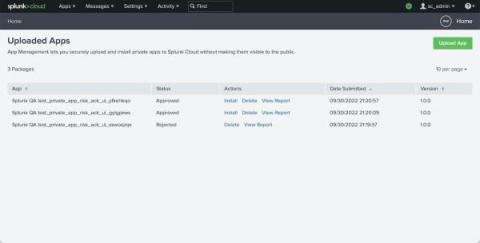
Automatic UI Updates (AUIU) is a new cloud service that allows admins to get the most up-to-date UI experience between Splunk Cloud upgrades. Cloud admins gain early access to newly enhanced self-service tools through the AUIU opt-in service. Specified AUIU enhanced pages and tooling can now be delivered to customers up to three months faster. AUIU is a delivery service that allows for new UI pages and UI improvements to be integrated into Splunk Cloud deployments for specific enhanced admin pages.