Operations | Monitoring | ITSM | DevOps | Cloud

The latest News and Information on Log Management, Log Analytics and related technologies.

Sumo Logic Achieves FedRAMP-Moderate Authorization

We are pleased to share with you that the Sumo Logic Continuous Intelligence Platform™ was granted authority to operate at a Federal Risk and Authorization Management Program (FedRAMP) Moderate impact level. With this authorization, many more organizations can now use Sumo Logic to get real-time insights into complex on-premises and cloud environments, and further strengthen their security and compliance, while optimizing their operational performance.

AWS Distro for OpenTelemetry - Now with Splunk Observability Support!

Back in October, we announced the Splunk OpenTelemetry Collector Distribution, which offered the industry’s first production-ready support for OpenTelemetry. This distribution is the recommended way that customers of Splunk’s award-winning observability products capture metrics and traces.

Visual Link Analysis with Splunk: Part 2 - The Visual Part

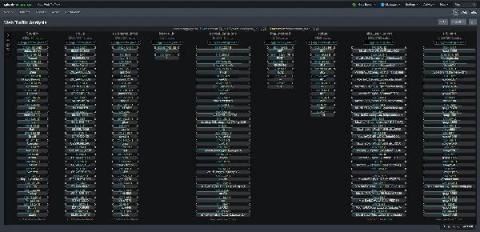
In part one of the "Visual Analysis with Splunk" blog series, "Visual Link Analysis with Splunk: Part 1 - Data Reduction," we covered how to take a large data set and convert it to only linked data in Splunk Enterprise. Now let’s look at how we can start visualizing the data we found that contains links. Why, you may ask, when we just developed a nice table of data that shows us links? Tables of data don’t always work well if you have more than one page of data.

Elastic is going closed-source. Where does that leave MSSPs?

Elastic moved from an open source license for Elasticsearch and Kibana to a “source available” (aka closed source) license. It was supposed to shut down SaaS companies, but what does it mean for Managed Security Service Providers? Managed Security Service Providers, or MSSPs, are a growing segment in the security business. These firms specialize in deploying security infrastructure, aggregating monitoring and event data, and proactively hunting threats.

How to export logs from Google Cloud Logging to BigQuery

Welcome to the Google Cloud Video Learning Series, where we show you how to use Google Cloud services. In this episode, we’ll show you how to export logs from Google Cloud Logging to BigQuery. Customers often export logs to BigQuery to run analytics against the metrics extracted from the logs. BigQuery can help identify unauthorized changes in configuration and inappropriate access to data, thus meeting your organization’s security and analytics requirements.