Operations | Monitoring | ITSM | DevOps | Cloud

The latest News and Information on Monitoring for Websites, Applications, APIs, Infrastructure, and other technologies.

Alerts Should Work for You, Not the Other Way Around

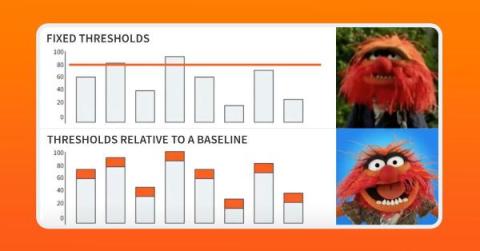
The entire reason we have monitoring is to understand what users are experiencing with an application. Full stop. If the user experience is impacted, sound the alarm and get people out of bed if necessary. All the other telemetry can be used to understand the details of the impact. But lower-level data points no longer have to be the trigger point for alerts.


Managing Cisco Switch Logs with Kiwi Syslog Server

Network management, particularly the effective handling of system logs, is crucial in maintaining a high-performance and secure IT infrastructure. Log files, or simply logs, are generated by network devices such as switches and routers, serving as valuable resources to understand the intricacies of network performance, spot anomalies, and even comply with regulatory requirements.

How a Modern Integration MESH Changes our Roles and Responsibilities

There was a time not too long ago, before the cloud was a part of every enterprise technology conversation, when integration work was considered the purview of a specific architecture and engineering group. If messages failed to send, or services failed to respond, application stakeholders would create a trouble ticket for the integration team to address. In some ways, this separation of labor was effective enough at the time.

Icinga Monitoring is the trusted "source of truth" for Scandinavian company NTE

We are proud of our many customers and users around the globe that trust Icinga for critical IT infrastructure monitoring. That´s why we´re now showcasing some of these enterprises with their Success stories. It´s stories from companies or organizations just like yours, of any size and different kinds of industries. Some of them are our long-standing customers, others have just recently profited from migrating from another solution to Icinga.

Incident communication best practices for an elevated user experience

Downtime is unavoidable, and incidents happen. Organizations need to be rapid and transparent in communicating incidents with their customers. Lack of timely communication can jeopardize the entire incident management process and increase user frustration. This guide provides rich insights into what incident communication is, why it's important, and best practices for effective incident management. What is an incident, and why is incident communication important?

Optimize Core Web Vitals for SaaS and Custom Apps

A set of metrics known as Core Web Vitals have become key indicators of website performance and user satisfaction. Monitoring and optimizing these metrics for web pages can be challenging. Today, we learn how to use synthetic and real-user monitoring to measure, analyze, and improve Core Web Vitals. Delivering a smooth user experience plays a pivotal role in determining website application success.

Why Every SRE and DevOps Beginner Needs a Status Page

So, you’ve ventured into the world of Site Reliability Engineering (SRE) and DevOps. Exciting, isn’t it? Yet, amidst the code, deployments, and system architectures, there’s a silent hero that often goes unnoticed — the humble status page. In this dynamic environment, it’s not just about keeping systems up but communicating effectively when they aren’t. That’s where Uptime.com steps in, like a superhero in a world of mortal website monitoring services.