Operations | Monitoring | ITSM | DevOps | Cloud

The latest News and Information on Monitoring for Websites, Applications, APIs, Infrastructure, and other technologies.

How-To: Improving SEO with RUM

In this How-To video, we’re going to look at Real User Monitoring in the context of how you can apply it to a specific use case. Real User Monitoring, or RUM, is an event-based solution for monitoring customer experience. In other words, it measures the performance of a webpage from the perspective of the user’s machine. In our previous video on RUM, we looked at how to set up a RUM tag. Today, we’ll specifically examine RUM data in the context of improving SEO scores.

Creating dashboards based on custom filters

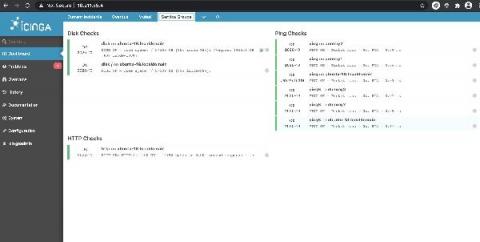
In this blogpost, I explain how to create dashlets using custom filters. This way you can create dashlets of your own which you find is necessary. Having dashboards in fact improves monitoring. Dashlets are the different sections under the given dashboard, which are the snapshots of some monitoring views and are defined by a name. Requirements: Icinga 2 and Icinga Web 2 installed.

Cypress vs Selenium vs Playwright vs Puppeteer speed comparison

Our recent speed comparison of major headless browser automation tools, namely Puppeteer, Playwright and WebDriverIO with DevTools and Selenium, received a very positive response. The single most common ask from our readers was that we follow up by including Cypress in our benchmark. In this article, we are doing just that - with some precautions.

Monitoring vs Observability: Can You Tell The Difference?

Monitoring vs observability – is there even a difference and is your monitoring system observable? Observability has gained a lot of popularity in recent years. Modern DevOps paradigms encourage building robust applications by incorporating automation, Infrastructure as Code, and agile development. To assess the health and “robustness” of IT systems, engineering teams typically use logs, metrics, and traces, which are used by various developer tools to facilitate observability.

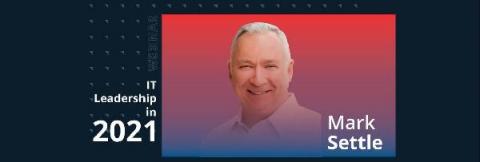
Mark Settle on IT Leadership In 2021

The year 2020 was uniquely challenging for business and IT leaders around the world. The sudden shift en masse to remote work put tremendous pressure on IT teams to pivot and keep the show running for business continuity. Going digital is no longer a debate and digital transformation became more than a project in the distant future. So what else has changed in the IT leader’s playbook? We spoke with veteran CIO and author Mark Settle.

Building Autocomplete with ANTLR and CodeMirror

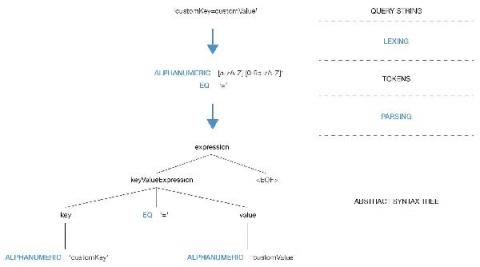
At Sumo Logic, we’re dealing with a large amount of data. To help our customers explore the data quickly and effectively, our product lets them write Logs, Metrics, and Tracing queries. One of the challenges we dealt with recently was improving the query building experience in our new, revamped Metrics UI.

Building a Telegraf Assistant - UC Berkeley Codebase

This article was written by Codebase, a UC Berkeley student organization. Hello InfluxData community! We are a team from Codebase, a UC Berkeley student organization that builds software projects for high-growth tech companies. This past semester, the eight of us had the incredible opportunity to work with InfluxData to add cloud-controlled configuration management features to Telegraf.

Centralized Log Management and Cloud Environments

Even before new hybrid workforce models, many companies already moved a lot of services to the cloud. COVID-19 digital transformation strategies instantly increased the number of access points and endpoints. This led to a rapid increase in event log data followed by all kinds of other issues -- performance, availability, security, and ultimately increased IT costs amongst other things. A centralized log management solution for your cloud environment can help you manage the above and more.

Datadog achieves FedRAMP Moderate Impact authorization

As government agencies accelerate migrating their operations to the cloud, they need to adhere to strict compliance and security standards. The Federal Risk and Authorization Management Program (FedRAMP) provides the standard that these agencies—and their private-sector partners—must meet to work and manage federal data safely in the cloud.