Status page subscriptions are now available
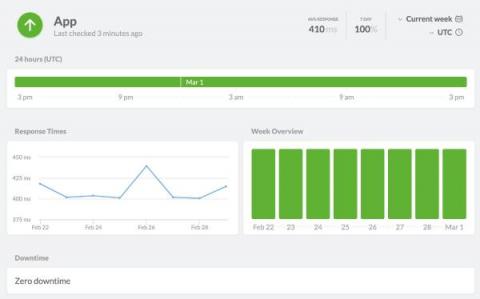
Using Oh Dear you can create beautiful status pages. As from today, you can let your users also subscribe to updates on those status pages. In this blog post we'll tell you all about it.
The latest News and Information on Status Pages and related technologies.
Using Oh Dear you can create beautiful status pages. As from today, you can let your users also subscribe to updates on those status pages. In this blog post we'll tell you all about it.
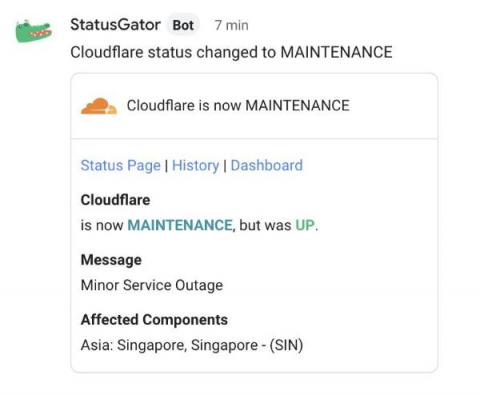
StatusGator has a wide a variety of use cases: from education to help desk to IT and managed services and DevOps, too. All corners of an organization depend on cloud services and StatusGator gives you visibility into the status of all of your vendors. We’ve heard over and over from our DevOps users that alerts and notifications for their teams are already centralized into a single incident management platform such as OpsGenie, PagerDuty, or FireHydrant.
It’s no secret, we love favicons (short for “favorites icon”) here at StatusGator. Our aggregated status dashboards and status pages feature the favicons of all the services you depend on, aiding in recognition. Favicons are shown when you bookmark, or add a site to your favorites. And, more importantly, they are shown in the tabs of your browser. Now, your own StatusGator aggregated status page can have a custom favicon, too!
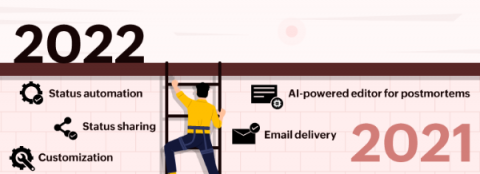
The role of status pages has changed significantly over the past year—and so have a few other things. Here’s the recap of the general improvements we made in 2021.
In the first 3 months of 2022, we’ve deployed 242 updates to StatusGator. As our growth has accelerated, we have become the platform relied upon by thousands to gain visibility into their vendors’ service statuses. Today, we’re announcing several big new features you may have seen trickle in over the last few weeks.
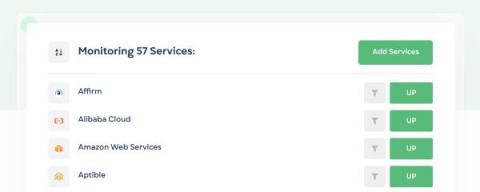
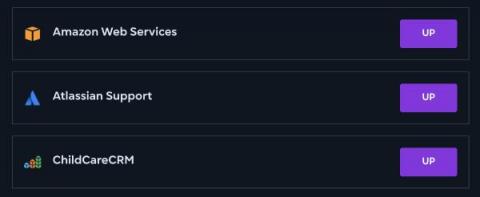
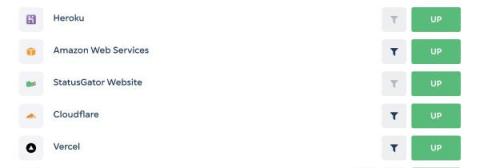
StatusGator is a status page aggregator: We bring together the status of all of your vendors into a single status page you can share with your team. Now, you can override the status of any service on your page to reflect exactly what you want it to. There are two opposite use cases for this feature: When a service is experiencing an outage and it’s not reflected on their status page. Or when an outage posted on their page is not affecting you and your team.
StatusGator status pages are a unique way to consolidate the status of all of your vendors on a single page. Reduce support ticket volume by publishing your status page to your team or users. Now you can publish a message to the top of your status page for even more effective communication. Use this space for maintenance notifications, highlighting critical outages, or explaining your page to your users.
One year ago we launched what would become our most popular feature yet: a page you could publish with your name and logo that aggregated the status of all of your cloud vendors. We called it a “public dashboard” because it did not require a StatusGator account to view, and it published your StatusGator dashboard for your entire team. We’ve now renamed this feature a “status page” and made it even more accessible inside of StatusGator. Why the change? Read on.
While a public status page *does* foster transparency and trust with users, sometimes you just need to save face. And hey, you're a tech behemoth—you can get away with it.