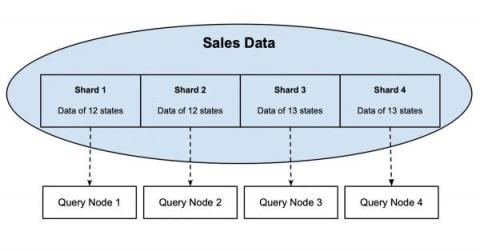
Partitioning can provide a number of benefits to a sharding system, including faster query execution. Let’s see how it works. In a previous post, I described a sharding system to scale throughput and performance for query and ingest workloads. In this post, I will introduce another common technique, partitioning, that provides further advantages in performance and management for a sharding database.
Over the course of two decades, Adform grew from a dream between friends huddled in a basement to a leading advertising tech platform powering more than 25,000 clients worldwide. Success brought external accolades, but it also created the need for internal innovation to support the company’s continued growth. In 2018, Adform was still operating in startup mode, which meant developers and teams cherry-picked the tools that worked best for them.
So you’ve set up a Security Orchestration, Automation and Response (SOAR) platform. You’re now ready to detect, respond to and remediate whichever threats cyberspace throws at you, right? Well, not necessarily. In order to deliver their maximum value, SOAR tools should be combined with playbooks, which can be used to drive SOAR systems and ensure that SOARs remediate threats as quickly as possible — in some cases, without even waiting on humans to respond.