Operations | Monitoring | ITSM | DevOps | Cloud

New in StatusGator: Reordering Services

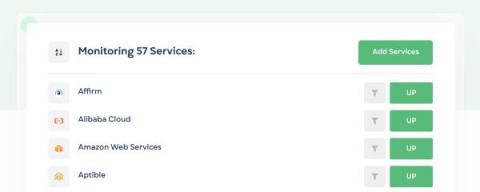
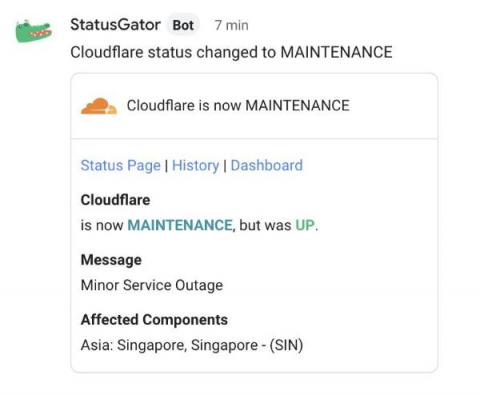
As our public status dashboards have become more popular, so has the ability to customize them. Over the next several weeks, we will be rolling out a series of features that allow more customization of your dashboard. Already we’ve added custom CSS capabilities. Today, we’re rolling out service reordering. Our new dashboard management page has a slimmed-down look.

The importance of SemVer for your applications

For some developers, SemVer can look just cosmetic, nice to have, or simply useless. But SemVer format is mandatory to make reliable software. I'll explain how over one year, we encountered 2 issues related to SemVer. The first one was critical and led to a production outage, while the other was a lot of trouble for several companies to upgrade a managed service.

Improving your team's on-call experience

Your engineers probably dislike going on-call for your services. Some might even dread it. It doesn't have to be this way. With a few changes to how your team runs on-call, and deals with recurring alerts, you might find your team starting to enjoy it (as unimaginable as that sounds). I wrote this article as a follow-up to Getting over on-call anxiety.

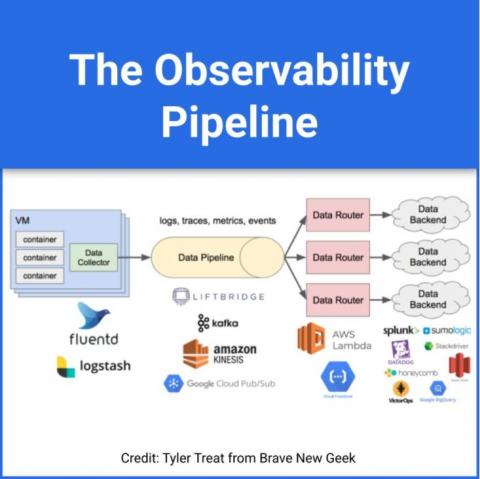
The Observability Pipeline

Today’s systems are more distributed, dynamic, and complex than ever before – plus, users have more expectations. Also, the historical reliance on an operations team to monitor, triage, and/or resolve issues has become untenable as the number of services increased. This means that many of the tools that were well-suited before might no longer be adequate.

When beginning your digital transformation journey, should you invest in machines or in enabling operators?

The term “Industry 4.0” originated from a committee of German technocrats who wanted to make predictions about where technology was headed next. And certainly, it fits nicely in the storyline of the initial Industrial revolution with the rise of machines powered by steam and water, the second revolution sparked by the use of electricity, and the third revolution of automated production with robots.

TOP 10 IT Trends

Observability has gained a lot of momentum in the past year, be it full stack observability or data observability. Modern complex IT systems using clouds, microservices and serverless are easy to develop and deploy but extremely difficult to observe. These systems generate tremendous amounts of data and need an automated way of handling the volume. The next era of delivering customer experience is underpinned by the full stack observability capability.