Operations | Monitoring | ITSM | DevOps | Cloud

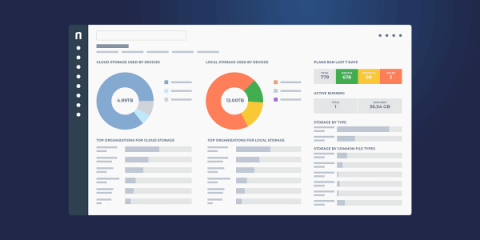
Looking to invest in an asset monitoring solution? Here are 7 niche solutions you should check out.

Before the pandemic, assets were managed through a spreadsheet or a register and were managed manually by the Asset Manager/IT Agent (in some cases). When the pandemic forced people to work out of their homes, assets management became complex. Manual allocation of assets, monitoring software licenses and upgrades, and keeping track of assets were tedious. It became impossible to manage remote assets without using an asset management solution.

10 things you didn't know about LogQL

For this edition of my ongoing Grafana Loki how-to series, I wanted to offer up some helpful — and perhaps surprising — facts about using LogQL, Loki’s query language. In case you’re new to Grafana Loki, it’s a log aggregation system created in 2018, and the Loki team has worked with the community ever since to introduce new features and make it easier to deploy.

Building an 'anywhere operations' mindset for uninterrupted IT

Given a choice, would you rather wait for a cab ride that’s 25 mins away or look for other options to reach your destination faster? Without a doubt, you would pick the latter, right? Today’s ‘want-it-now’ consumer mentality is driving most technology organizations to rethink how they interact with employees and customers. Employees have consumer-grade expectations for corporate applications, and IT requests at the workplace.

5 Common Amazon SQS Issues

The simple query service (SQS) was one of the first services AWS offered. It’s a managed queuing service that lets you take pressure from your downstream services. You put your items on the queue, and other services can pull them whenever they have the capacity to work on them. It’s a managed service, so you don’t have to install or maintain the software yourself; you just configure a queue and start pushing to and pulling from it. So SQS is very simple to get started with.

Reducing Toil with Developer Collaboration Tools

Ask any engineer what they’d like to eliminate from their daily to-do list, and the answer will almost certainly be some version of reducing toil. Engineering organizations can burn hours and hours of work time on repetitive, manual tasks that reduce bandwidth for high-impact projects. That being the case, it’s no surprise that reducing toil helps your team work more productively and experience better job satisfaction in the long run.

How to prepare for a peering-partner business review

Peering is more than just setting up sessions with any AS that will accept one. Peering can involve long-term relationships that require reviews and joint-planning to grow synergy. A critical milestone in any peering relationship is the business review – and when it comes to business reviews, it’s all about preparation. So where to start?

Data Lake vs Data Warehouse: What's the Difference?

Although both data lakes and data warehouses are commonly used to store large amounts of data, the phrases are not interchangeable. A data lake is not a straight substitute for a data warehouse; rather, they are complementary technologies that serve a variety of use cases, some of which overlap. Most companies that have a data lake also have a data warehouse. The two methods of data storage are sometimes mistaken, yet they are vastly different.