Zoom monitoring with Site24x7
Learn how to monitor and troubleshoot issues with Zoom meetings and webinars using Site24x7.


As a team we have spent many years troubleshooting performance problems in production systems. Applications have gotten so complex you need a standard methodology to understand performance. Fortunately right now there are a couple of common frameworks we can borrow from: Despite using different acronyms and terms, they fortunately are all different ways of describing the same thing.
Remote team management has always been different for team managers and leaders. Not just challenging, but different. Not having the luxury to rub shoulders often and not having the liberty to have the entire team under one roof has compelled leaders to acquire new and innovative approaches to remote leadership. And while leadership styles and management approaches are ever-evolving, there are some core principles of effective remote team management that team leaders can stick to.
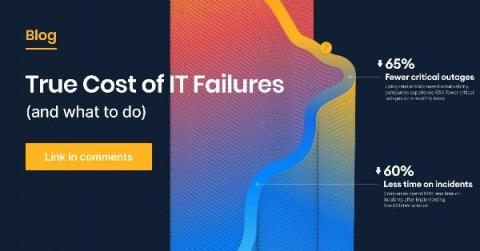
In this age of digital transformation, any issues with your IT infrastructure can cause major disruptions to your business. On top of this, IT environments that support critical business applications continue to get more complex and dynamic. As failures, outages, and incidents increase in volume and cost, the risk of an outage within your company becomes a very expensive one.
Global supply chains have been under immense pressure over the past year, fighting to keep up with unprecedented demand for online goods and critical healthcare supplies while battling stock shortages around the world. However, businesses on the whole came out swinging, managing to scale quickly and competently adapt to the restrictive working procedures necessary to fulfil orders and keep customers happy.
Honeycomb is all about collaboration: We believe that observability is a team sport, and we want to give you as many tools to help your team get the ball down the field (i.e., untangle knotty problems) as we can. We want you to be able to share the current state of your work so that others can follow and figure out what’s up, and we want you to leave breadcrumbs so the next time you’re stuck here, you can find your way back.
The cold tier of searchable snapshots, previously beta in Elasticsearch 7.10, is now generally available in Elasticsearch 7.11. This new data tier reduces your cluster storage by up to 50% over the warm tier while maintaining the same level of reliability and redundancy as your hot and warm tiers.
Welcome to part 2 of our blog series, where we go through how to forward container logs from Amazon ECS and Fargate to Splunk. In part 1, "Splunking AWS ECS Part 1: Setting Up AWS And Splunk," we focused on understanding what ECS and Fargate are, along with how to get AWS and Splunk ready for log routing to Splunk’s Data-to-Everything platform.