In this episode, we chat with Cisco’s head of developer content, community, and events, Michael Chenetz. We discuss everything from KubeCon to kindness and Legos! Michael delves into some of the main themes he heard from creators at KubeCon, and we discuss methods for increasing adoption of new concepts in your organization. We have a conversation about attending live conferences, COVID protocol, and COVID shaming, and then we talk about how Legos can be used in talks to demonstrate concepts.
This is the second post in my blog series about MkDocs. If you haven't already, head over to Creating a documentation site with MkDocs since this post will build upon the site we created in that post. In this post, I'll show how to easily host MkDocs-driven sites on GitHub Actions.
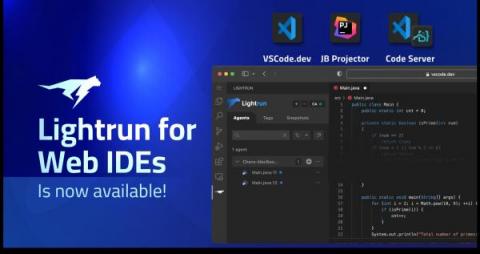
We’re delighted to announce that Lightrun for Web IDEs is now available for our beta users! Lightrun for the Web is now supported in three different IDEs: If you want to check out the individual plugins, check out the respectable documentation articles: Lightrun’s users are now able to connect to their live applications directly from the browser, without having to download one of our dedicated plugins – and enjoy the full suite of Lightrun features right in the browser.
We were introducing the Profiles feature! You can now have the same account on multiple profiles or teams with this feature. Our customers requested it, and we delivered it!
Network configuration management is a function that comprises assortment, monitoring and storage of information about every component that forms a network. The true purpose of such a solution is to come alive in time of any eventuality; it could be the need to update, upgrade, recover or could even be disaster management. The solution will provide all pertinent information at the hands of the IT operations team, enabling them to decide the course of action going forward.
Kubernetes is currently the de-facto container orchestration system on the market. Both small and large companies adopt it, and all major cloud providers offer it as a service. However, Kubernetes is a complex and layered platform, so you can’t just jump into it. There are three essential stages for each application: design, deployment, and operation. This blog post will focus on operation, where you need to monitor and troubleshoot your deployed applications.
As organisations increasingly send their logs to one service, their metrics to another and their traces to a third location, they remain unable to gain a unified view across all of their data types. This is because as multiple tools are used to achieve similar goals for different data types the issue of tool sprawl quickly arises.