Operations | Monitoring | ITSM | DevOps | Cloud



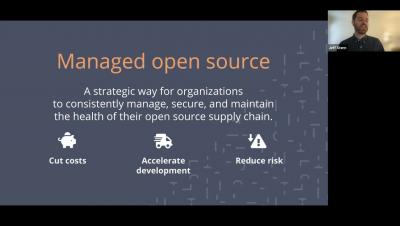
Keep OSS supply chain attacks off the menu: Tidelift catalogs + JFrog serve known-good components

Measuring Success with Sentry
In the early days of web development, there was one way to measure code: WTFs per minute. It was a metric that could be applied across all languages, as every developer knew what WTF meant (Works That Frustrate, obviously). Today, however, code is too intricate — and important — for clever, opaque metrics. You need objective data that communicates the quality and stability of your code — KPIs such as events accepted, transaction outcomes, and crash-free sessions.
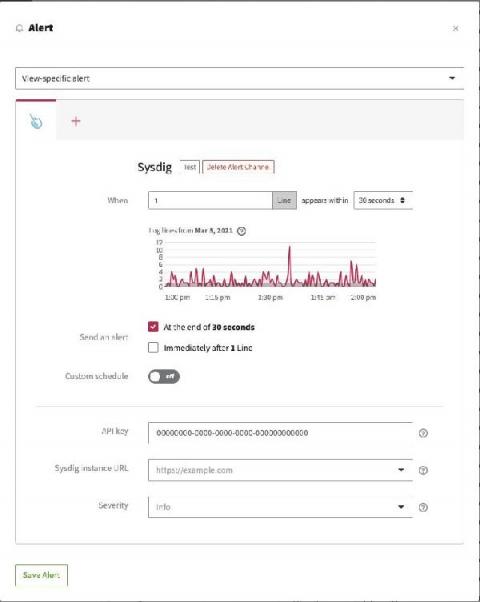
See your logs and metrics together with LogDNA and Sysdig integration
Observability is the key to solving problems quickly, and organizations use many tools to try to increase visibility in their environments so they don’t miss anything. Typical sources of observability include metrics, logs, and traces. The foundation of monitoring, metrics are predictable counts or measurements that are aggregated over a specific period of time. Timestamped records of discrete events that can store outputs from applications, systems, and services.
2 reasons you need Dashboard Server with SquaredUp Connect or EAM
We’ve seen how much you love SquaredUp. But we’re also aware that opening up access to your SCOM and Azure data can sometimes hold you back from sharing the joy of powerful dashboarding with other teams. And what about trying to get an overview of multiple SCOM management groups without having to log into each one individually? We have the perfect solution for both problems.

Resolve Actions for Service Desk - Self-Service Release Quarantined Messages from Exchange Online

Continuous deployment for Azure functions
Serverless computing, a model in which the provider manages the server, lets developers focus on writing dedicated pieces of application logic. Serverless computing has been adopted by many development teams because it auto-scales. Auto-scaling relieves developers of allocation management tasks, so they do not need to worry about the allocation of server resources or being charged for resources they are not consuming.

Alternatives to Using GitHub in 2021
Today’s world is a connected one. The technologies we have allow us to connect with people half a world away. Companies can work with people from different locations. Cloud technologies, for example, are helping people collaborate from afar.
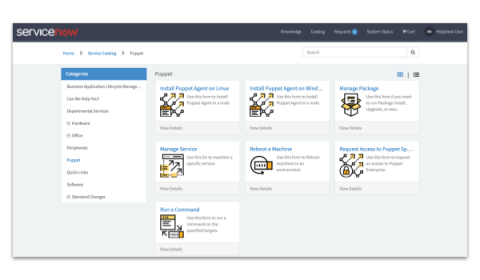
Accelerate operational tasks with Puppet and ServiceNow
As your DevOps and IT Service Management (ITSM) teams continue to increase, so should your ability to provide self-service infrastructure capabilities. Whether you are a ServiceNow or Puppet administrator looking to expand automation to other groups such as Site Reliability Engineering or the IT Service Desk, the integration of Puppet Enterprise and ServiceNow is now at your fingertips.

Is "Vendor-Owned" Open Source an Oxymoron?
Open source is eating the world. Companies have realized and embraced that, and ever more companies today are built around a successful open source project. But there’s also a disturbing counter-movement: vendors relicensing popular open source projects to restrict usage. Last week it was Grafana Labs which announced relicensing Grafana, Loki and Tempo, its popular open source monitoring tools, from Apache2.0 to the more restrictive GNU AGPLv3 license.