Transform the Microsoft Teams Call Quality Dashboard into Monitoring Insights.
Looking for easy Microsoft Teams troubleshooting? Martello's got your back: https://martellotech.com/solutions/microsoft-teams-issues-monitoring/


The latest News and Information on Microsoft 365 and related technologies.
Looking for easy Microsoft Teams troubleshooting? Martello's got your back: https://martellotech.com/solutions/microsoft-teams-issues-monitoring/
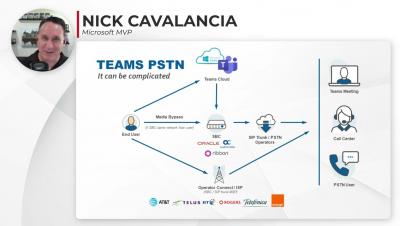
You need ways to bring your distributed teams together. That’ll be one of the reasons that you chose Microsoft Teams. It’s a brilliant comms and collaboration platform for connecting your people. But, when it comes to classic telephony, does it stand up to the competition? Basically, yes. And here’s how. To be able to use Teams for traditional corporate telephony, businesses must link their Microsoft Phone System to a virtual PBX hosted by Microsoft in the cloud.
We always say we’ll stick by them, and then once early February rolls around we’ve probably long forgotten the promises we had made in the cold light of the new year. But, if you want to make your business’ Microsoft Teams service quality the best it can be – you need to make some changes (and stick to them).
Remote and hybrid work have made Microsoft Teams a core tool in nearly all large organizations. Many business leaders and IT administrators would like to extend the value of Teams to enable users to make and receive business phone calls. This improves the productivity of their employees by keeping them connected with customers, business partners, and co-workers in the office, at home, or even on the road.
Microsoft Teams Phone is a powerful collaboration and communication tool, making the use of Teams easier and more flexible than ever. Many businesses want to grab the benefits of an easy-to-manage platform that flexibly supports the complexities of their existing operations, incorporating PSTN calling. But before you dive in, what are the key things you should know?
Over the past three years, the Microsoft Teams environment has become the de facto voice communication tool for a large percentage of organizations. But with many companies having implemented their Teams setup rapidly in the face of a dramatically changing business setting, some IT teams have been struggling to know how to get the most out of their Teams environment.
The person speaking to you can only hear a sort of robot voice and the dreaded pixilation of your face on a video chat has descended on your important call with your team or, much, much worse, with a VIP client – does panic set in? Well, if your IT team doesn’t have a good way to boost Teams call quality then yes. Inconsistent Teams call quality is a problem plaguing businesses in every sector, and it’s an issue that can have a real negative impact on an organization.