When visiting a new website, it is quite normal to get carried away by the bells and whistles of the fancy UI and UX and not be able to appreciate all the lower level, back-end code that runs tirelessly to ensure a smooth and fast website experience. This is because your front-end HTML code has a visually rich browser page interface as a platform to showcase its output. Whereas your back-end, server-side code usually only has a console at its disposal.
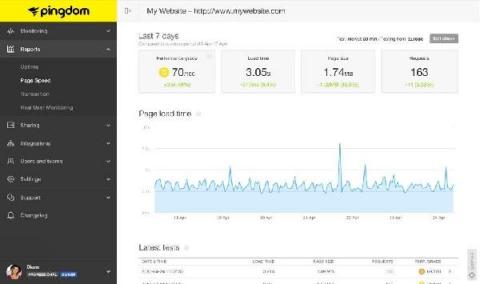
Time to first byte, first contentful paint, DNS response time, round-trip time, and the list goes on and on. With all of these metrics, how are you supposed to know which are the most important ones that you should monitor? To understand what those numbers are supposed to look like, you’ll have to get a reference point. Something that’s supposed to give you a starting point.
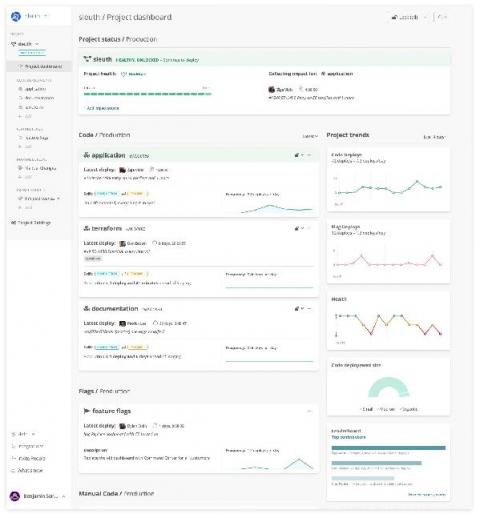
Quick, do you know what code is currently deployed to production? How about staging? How far apart are these environments? Sleuth tracks your deployments, and today, Sleuth is launching first-class environments support. I'm going to show you how it works, steps to take to migrate your existing projects, and where we plan to take it in the future.
The COVID-19 pandemic has forced a dramatic shift in the way all industries work, including warehouses within the supply chain. With each minute wasted—equating to a loss of revenue that many companies simply can’t afford in the current climate—productivity must be optimized. On top of this, businesses are mitigating the possibilities of staff becoming unwell and having to find last minute replacements, all while facing increased demand as online shopping continues to peak.
These release notes describe new features, improvements and fixed issues in Pandora FMS NG 748. They also provide information about upgrades and describe some workarounds for known issues.