Log Analysis with Interactive Word Game - Sumo Logic Customer Brown Bag - Logging - November 7, 2023
Please join us as Saurabh uses an Interactive Word Game to show how to use Sumo Logic's Log Analytics.


Cloud computing has revolutionized the technology landscape, increasing deployment velocity exponentially. Organizations leverage cloud technologies to improve availability, drive innovation, enhance agility, and streamline operations. However, a one-size-fits-all approach to cloud technologies doesn't always meet the diverse needs of modern enterprises.
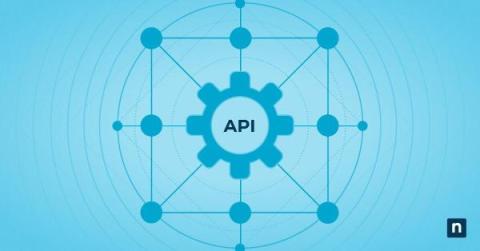
Application Programming Interfaces, or APIs, are rules and protocols that allow one software application to interact with another, and can be found everywhere in today's digital ecosystem. From the weather app on your smartphone pulling data from a remote server to provide real-time weather information, to the payment gateway service that processes your online purchases, APIs facilitate the seamless flow of data and services.
Remote access software has risen to prominence as a vital tool, enabling organizations to bridge geographical distances and empower remote workforces. However, as businesses embrace the convenience and flexibility that remote access solutions offer, they are also confronted with an essential consideration: understanding the true cost of remote access software. In this article, we embark on a comprehensive exploration of the financial dimensions surrounding remote access solutions.
Kubernetes, often abbreviated as K8s, has revolutionised the way we manage containerized applications. It provides a robust platform for orchestrating and managing containers at scale. One of the key features that sets Kubernetes apart is its powerful metadata system, which includes labels and annotations. In this blog post, we’ll take a comprehensive look at how labels and annotations work in Kubernetes and how you can leverage them to enhance the management of your applications.