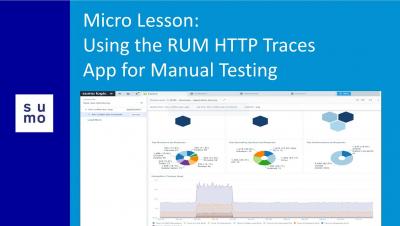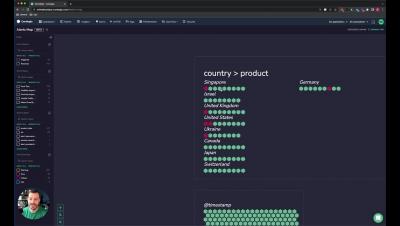
Coralogix Feature Overview: AlertMap
A run through of the Alert Map feature in Coralogix. A revolutionary way to visualise alerts by their defined groupings, which scales far more effectively than anything else on the market today.


When you are designing and building applications, you should consider how to monitor them once they become live. You do not want to be blindsided by errors and degrading performances as you operate them. When your applications fail to provide optimal performance, it can broadly impact your business. Engineers will often be distracted to investigate and fix the issues. Customers will complain. It can eventually hit your bottom line.
Bugs are one of the most troubling aspects of software development; they appear out of nowhere and cause everything to stop working. Most of the time, they can be resolved quickly; however, others can be gruesome and take hours/days to fix. Next.js is one of the most popular web development frameworks in the current world, and as a programming tool, it didn’t escape the bug dilemma either.
If you pick a random SaaS company out of a jar and go to their website, chance are they integrate with another tool. Typically, the end goal of integrations is to meet users in the middle by working with other tools they’re already using on a day-to-day. Put another way, integrations are a strategic business decision. But the question remains: why don’t companies just build a tool with similar functionality in order to make the product stickier?
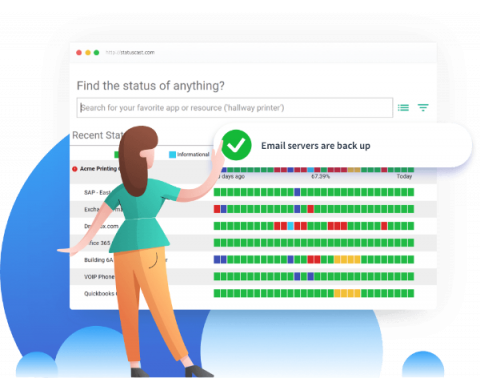
Servers are down. Employees are scrambling. Customers are upset. The pressure is on. When internal operations are in disarray, and your business is experiencing a service outage, the last thing you need to worry about is the reliability of your incident communication solution. Keeping users informed when services are down is mission-critical, in order to prevent a flood of support requests, which compound the effects of the incident, straining employee productivity and bandwidth.
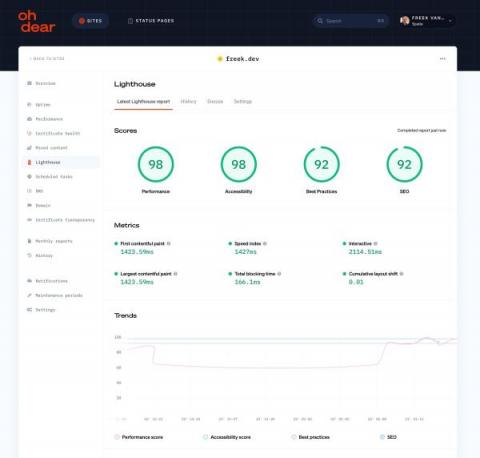
We're proud to announce we have added a new check to our service: Lighthouse SEO. Using this check you can detect (and get solution suggestions) for SEO and performance problems.