Operations | Monitoring | ITSM | DevOps | Cloud



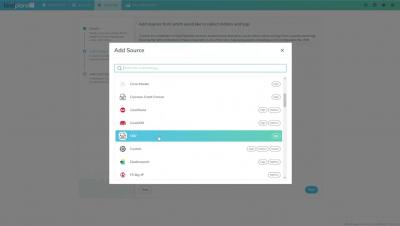
BindPlane OP Overview
Distributed tracing in Kubernetes apps: What you need to know
Kubernetes makes it easier for businesses to automate software deployment and manage applications in the cloud at scale. However, if you’ve ever deployed a cloud native app, you know how difficult it can be to keep it healthy and predictable. DevOps teams and SREs often use distributed tracing to get the insights they need to learn about application health and performance.

Achieving Full Observability With Telemetry Data
In today's digital age, organizations increasingly depend on their technology infrastructure to keep their operations running smoothly. These infrastructures include servers, networking equipment, IoT devices, and applications. The data generated by all this infrastructure (logs, metrics, traces) is known as telemetry data, which has a tremendous potential value to organizations. However, it can be challenging to control telemetry data and utilize it effectively.

4 DevOps KPIs to Measure How Well Your DevOps is Working
DevOps is an approach, not a prescriptive ideal. Still, every organization needs to be able to measure the impact and effectiveness of their investment in DevOps tools and practices. That's why we collected the top DevOps KPIs from a combination of our own research into the latest DevOps trends in the State of DevOps (including surveys of more than 4,000 people) and stories shared with Puppet.

Monitor Boundary on the HashiCorp Cloud Platform with Datadog
HashiCorp Boundary provides a secure way to manage remote access to applications and infrastructure without exposing the underlying network or credentials. Launched two years ago as an open source solution, HashiCorp recently announced a fully managed version on the HashiCorp Cloud Platform (HCP), enabling you to manage identity-based authorizations, user and target onboarding, and more for dynamic environments.