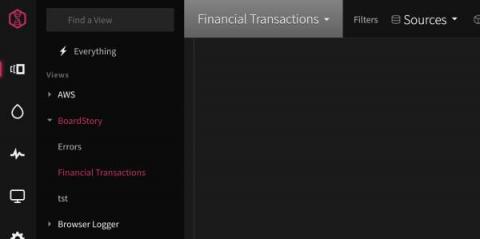
SquaredUp recently launched a PowerShell tile that lets you visualize data returned from a PowerShell script. This has opened virtually infinite doors to the sources you can get data from. PowerShell can work with crazy text formats obscure databases, and endpoints that are open on the internet. If you can access it, PowerShell can work with it. And SquaredUp lets you leverage that power so you can get the information you need and visualize it in a format that makes sense.
xMatters is part technology, part service reliability, and a little bit of magic. If you’ve spent time on the xMatters website, you’ll likely have seen a number of valuable use cases for the platform—it can alert SREs when there’s a website outage, it can accelerate product development for DevOps teams, it can manage on-call schedules and alerts for support teams.
We integrate with all the major cloud providers, but some of our customers need to deploy their applications on servers which are physically in their own country or even on their own premises.
Businesses globally have been steadily shifting to digital as early as a decade ago. With the coronavirus pandemic happening, the digital transformation has now shifted into fifth gear. Digital experience is the key to business success. As of 2020, there were almost 30 billion end users that’s connected to the internet. Digital revenue has increased dramatically and digital will surely drive retail sales up.
Many, many years ago I briefly taught in an undergraduate chemistry laboratory (mainly marking scripts and samples, as well as extinguishing the occasional fire). I noticed that although students could achieve a reasonable grade by just following the text they were given and answering, “it turned blue” (or whatever), the really good students who got the best results took the time to understand how and why it turned blue.
Today I show you a snapshot of my daily work. It is especially interesting this time, because it’s a not-so simple problem to solve. It’s not difficult per se, but involves quite some understanding of the Icinga Web 2 framework and how it communicates with the web server. Disclaimer: What I’m going to show, is not a feature preview or anything. It’s more of a proof of concept, and it may be that forever and won’t be continued further.