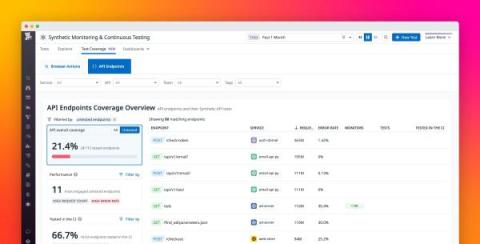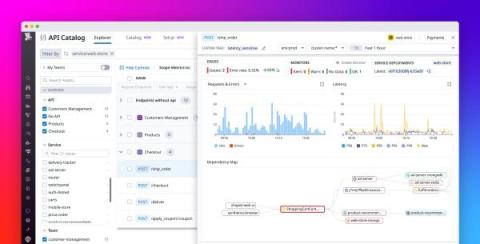
As your applications grow, your teams may be faced with managing a complex, expanding mesh of potentially thousands of loosely connected APIs—each one a new point of failure that can be difficult to track and patch. API sprawl comes naturally in rapidly expanding, distributed applications, and the difficulty of maintaining centralized knowledge and toolsets for your APIs creates friction when teams need to leverage APIs they don’t own.
Today’s modern applications are made up of thousands of loosely connected private and publicly exposed APIs, each serving a specific function. This dynamic API landscape, in combination with the decentralized nature of microservice development, can be overwhelmingly challenging to manage—let alone govern or secure adequately. API sprawl is often created as a result, leading to fragmented or nonexistent internal API documentation, knowledge bases, and toolsets.
Microsoft Office 365, often simply referred to as Office 365, represents a significant shift in the way we approach work in a digital environment. It’s a subscription service that ensures you always have the most up-to-date modern productivity tools from Microsoft. This suite of services and applications goes beyond the traditional software suite to offer a wide range of tools and solutions to modern-day challenges faced by organizations and individuals alike.
Top tips is a weekly column where we highlight what’s trending in the tech world today and list out ways to explore these trends. This week we’re looking at four ways in which you can make your tech landscape more sustainable. Going green is the new trend as we saw at the Apple event, Wonderlust. Apple’s CEO, Tim Cook, and the Apple team did an entire skit on how the company would achieve carbon neutrality by 2030.