Commonly, your website or app functions perfectly until you release it. During testing, you might seem to have control over everything. But, sooner or later, you will face some challenges. In fact, it is totally normal when something goes wrong. The most important thing is how you settle these problems. In most cases, issues with availability alerts and users’ complaints can be addressed by the means of IIS logs. IIS logging will provide you with the necessary data to deal with a breakdown.
IT management can be costly and time-consuming without streamlined processes and systems to support your business goals. With the quickened pace of business requiring faster scale, leaders and decision-makers must find ways to adapt and optimize their processes. Combining IT Service Management (ITSM) and IT Operations Management (ITOM) can help you prioritize operations efficiency while delivering the best service to your employees.
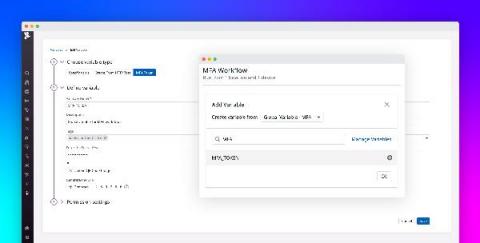
Multi-factor authentication (MFA) is an increasingly popular method for securing user accounts that requires users to provide two or more pieces of identifying information when logging into an application. This information can consist of unique verification links or codes sent to the user’s phone or email address, as well as time-based one-time passwords (TOTPs) generated by authenticator applications or hardware.
At the start of the pandemic, IT organizations had to undergo radical changes to support remote work. Given the urgency to shift to remote operations, IT admins opted for band-aid solutions to retain business continuity and stay connected to the core of their networks from remote locations. But now, many organizations are moving toward hybrid workforce options with employees choosing to work from both their home and office locations.
The Apache HTTP Server (httpd) is a widely used, open-source web server application. Because you can easily customize it through modules, it has become the go-to choice of both individuals powering their personal blogs and enterprises running high-traffic websites and web apps. It’s a well-known fact that with high traffic, the performance of Apache web servers can take a hit, experiencing bottlenecks as your traffic scales up, which will lead to delayed responses.
In this article, we’ll discuss how status pages improve relationships with customers, why your business needs status pages, how they’re helpful in building trust with customers and improving incident management, and what you should do after you launch and run your status page.
whenever we go to a website, whether it's an online store to buy clothes or to check the status of our bank account, we need to type the URL into the browser. When you click on the relevant page, a request is sent to the server, and the server always responds with the HTTP three-digit code. This HTTP status code tells us if our request was successfully completed or whether there was an error that prevented the server from serving the content that users or visitors were trying to access.
Before you can achieve access to any cloud service a connection to the internet is required. Sounds simple enough, however, the challenge lies not only with the internet connection itself, but the provider of the service as well. Not all internet service providers (ISPs) and pathways to the internet are created equally which makes assessing and understanding the quality of the service you’re on a critical step toward maintaining business productivity.