Operations | Monitoring | ITSM | DevOps | Cloud

How to Rank Highly In Google: Most Important SEO Ranking Factors

Any business that considers web traffic to be an important aspect of its acquisition strategy needs to follow SEO best practices. Like it or not, search engines (and one in particular) are the gatekeepers in the digital world and it pays to play by their rules. As such, we thought it might be helpful to put together a quick overview / list of the most important page elements when it comes to SEO.


Announcing Native OpenTelemetry Support in Splunk APM

At Splunk, we've been leading the way in observability and helping accelerate the adoption of the OpenTelemetry project. With the trace specification reaching a stable maturity level and several SignalFx Gateway and client library capabilities being upstreamed, we're ready to go all-in while we continue accelerating the growth and adoption of OpenTelemetry beyond the commitments we made last year.

What's New in Splunk Cloud: Part 1

Every business transformation needs a data strategy and the ability to manage increasingly complex environments. And while companies all over the globe are embracing the cloud, this shift has only exacerbated the associated complexity, compounded by the uncertainty brought about by the current global pandemic. You’ve got more data centers and attack surfaces to monitor and secure, in addition to greater unpredictability and risk.

6 top risk factors to triage vulnerabilities effectively

Common Vulnerability Scoring System (CVSS) scores have been viewed as the de facto measure to prioritize vulnerabilities. Vulnerabilities are assigned CVSS scores ranging from one to 10, with 10 being the most severe. However, they were never intended as a means of risk prioritization. If you’ve relied on CVSS scores alone to safeguard your organization, here’s why you’re probably using them incorrectly.

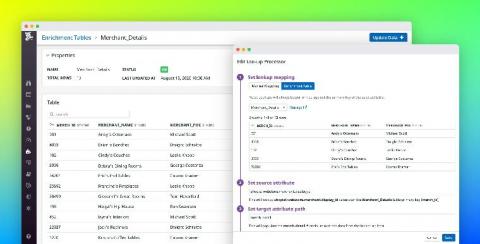
Add more context to your logs with Enrichment Tables

Logs provide valuable information for troubleshooting application performance issues. But as your application scales and generates more logs, sifting through them becomes more difficult. Your logs may not provide enough context or human-readable data for understanding and resolving an issue, or you may need more information to help you interpret the IDs or error codes that application services log by default.

Role of ITSM in BFSI

As the BFSI market gets more crowded, the only real differentiation available for businesses in this industry comes down to superior customer experiences. And this applies to both the internal teams and external customers. If the IT teams at the firm get the right type of support, they can work more efficiently and provide a seamless experience to the external customers.

Elasticsearch Release: Roundup of Changes in 7.9.2

The latest Elasticsearch release version was made available on September 24, 2020 and contains several bug fixes and new features from the previous minor version released this past August. This article highlights some of the crucial bug fixes and enhancements made, discusses issues common to upgrading to this new minor version and introduces some of the new features released with 7.9 and its subsequent patches. A complete list of release notes can be found on the elastic website.

Elasticsearch Vulnerability: How to Remediate the most recent Issues

An Elastic Security Advisory (ESA) is a notice from Elastic to its users of a new Elasticsearch vulnerability. The vendor assigns both a CVE and an ESA identifier to each advisory along with a summary and remediation details. When Elastic receives an issue, they evaluate it and, if the vendor decides it is a vulnerability, work to fix it before releasing a remediation in a timeframe that matches the severity.

Machine learning log analysis and why you need it

Your log analysis solution works through millions of lines of logs, which makes implementing a machine learning solution essential. Organizations are turning to machine learning log alerts as a replacement or enhancement of their traditional threshold alerts. As service uptime becomes a key differentiator, threshold alerts are only as good as your ability to foresee an issue.