Are you tired of sifting through a sea of IT events and alerts? Or perhaps you’ve found yourself overwhelmed by the volume of data flooding your monitoring systems and challenged to identify the incident root cause. There’s a better way to manage the chaos: using AIOps to unite disparate tools, data, and teams for event correlation.
Security Information and Event Management (SIEM) protects organizational assets in today's evolving cybersecurity landscape. As threats become more sophisticated, the importance of well-structured SIEM use cases cannot be underestimated. Dive in as we explore the modern approaches to building, organizing, and prioritizing SIEM use cases. Read on to learn the right approach to building SIEM use casesGathering the Right Data for Meaningful Insights The top ten use cases you cannot afford to miss.
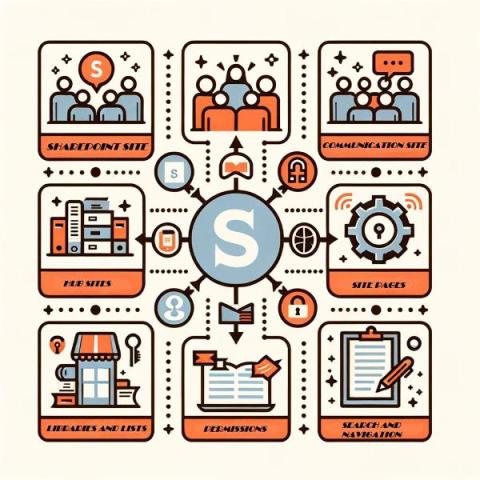
In the digital era, effective document management is a cornerstone for operational efficiency in organizations. With a surge in data generation and collaboration needs, having a robust system to store, manage, and share documents is imperative. SharePoint Document Libraries emerge as a pivotal tool in this regard, offering a myriad of features to streamline document management, enhance collaboration, and uphold information governance standards.
You'll often hear the term "containers" used to refer to the entire landscape of self-contained software packages: this includes tools like Docker and Kubernetes, platforms like Amazon Elastic Container Service (ECS), and even the process of building these packages. But there's an even more important layer that often gets overlooked, and that's container images.
Many companies use anti-theft labels to prevent theft and protect assets. These tags are attached to objects to alert security personnel or staff to an attempted theft. What other advantages do anti-theft tags offer? And how do they work?
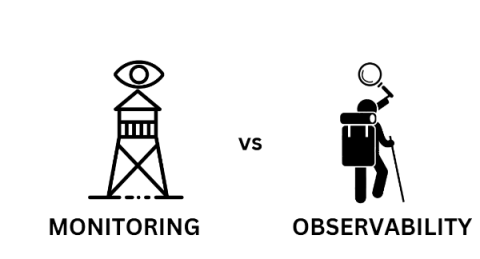
As systems increasingly shift towards distributed architectures to deliver application services, the roles of monitoring and observability have never been more crucial. Monitoring delivers the situational awareness you need to detect issues, while observability goes a step further, offering the analytical depth to understand the root cause of those issues. Understanding the nuanced differences between monitoring and observability is crucial for anyone responsible for system health and performance.
Grafana 10.2 is here! Download Grafana 10.2 As always, the latest version of Grafana includes a ton of dashboard and data visualization improvements. You can add interactive buttons to your Canvas visualizations; auto-generate dashboard panel titles, and descriptions using AI; and zoom in on specific y-axis values in your time series.
Over the last year or so, the unavoidable topic of overwhelming cost has emerged as the number one issue among today’s observability practitioners. Whether it is in conversations among end users, feedback from customers and prospects, industry chatter or the coverage of experts including Gartner, the issue of massive telemetry data volumes driving unsustainable observability budgets prevails.