Retrace vs Microsoft Application Insights - 14 Reasons to Choose Retrace
You are in the right place! Retrace APM is designed to help developers optimize the performance of their applications and is an excellent Application Insights alternative.


You are in the right place! Retrace APM is designed to help developers optimize the performance of their applications and is an excellent Application Insights alternative.
The release of OpenStack Charms 21.10 brings native support for OpenStack Xena in Charmed OpenStack. This latest version of OpenStack comes with initial support for SmartNICs in Nova and further improvements around Neutron Open Virtual Network (OVN) driver integration. In order to further simplify the job of the cloud operations teams, the OpenStack Charms 21.10 release offers improved day-2 automation, including additional charm actions and better upgrade experience, and new operations documentation.
Image via Pixabay As any developer or IT professional will tell you, when systems experience issues, logs are often invaluable. When implemented and leveraged effectively, the data produced by logging can assist DevOps teams in more quickly identifying occurrences of problems within a system. Moreover, they can prove helpful in enabling incident responders to isolate the root cause of the problem efficiently. With that being the case, maximizing the value of log data is vital.
With baseball, hockey and football seasons in full swing, a different sort of sport is playing out among the world’s largest technology companies. Amazon.com Inc., Google and Microsoft Corp. are pouring tons of money into promoting their cloud computing products during television’s premier athletic events.
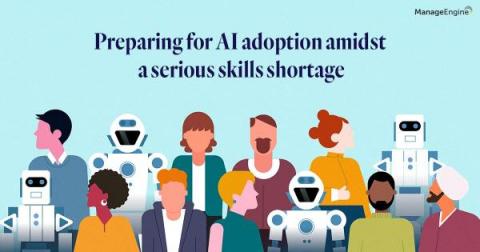
Five worthy reads is a regular column on five noteworthy items we’ve discovered while researching trending and timeless topics. In the era of mass AI adoption, aimed at enabling disruptive technology innovations, this week we will explore the concern over skill shortages in the AI market. Illustration by Balaji K.R. Artificial intelligence(AI) remains a major technology driver for 2022 and beyond. It has been ranked in the top technology trends consistently for several years.
Learn how to make the Azure Monitor a valuable tool to monitor your Microsoft 365 subscription, including services such as Exchange, SharePoint, Teams, OneDrive, and more. See how the Metric Explorer in Azure Monitor will work for you, including addressing custom metrics quickly. Understand how to display Log Analytics metric data in PowerBI Reports and Azure Monitor Workbooks. Join this educative and fun session about Azure and Microsoft 365, united into one magnificent monitoring solution.