Observability data is mission-critical for businesses that want to provide stellar customer experiences, remain secure and compliant, and mitigate risk. However, organizations are creating more data as they expand their digital presence. Its increasing volume and complexity have teams looking for solutions that enable them to better control that data, derive more value by making it actionable, and all while keeping their costs under control.
In today’s digital landscape, application demands such as scalability, performance, and reliability push many IT organizations toward cloud-based networks. Initially, cloud providers’ main offering was managed, virtualized data storage and services, or cloud computing. As cloud ecosystems have matured, so have the tools, services, and use cases available to their customers.
Five worthy reads is a regular column on five noteworthy items we’ve discovered while researching trending and timeless topics. In this edition, we’ll learn about a framework called data fabric that can help solve a plethora of data management requirements in an organization.
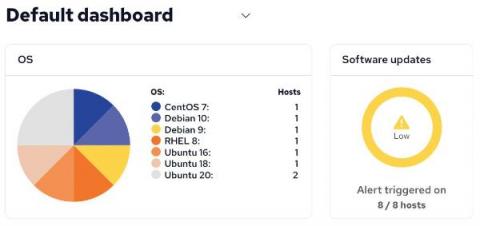
All software of any significant size has bugs, vulnerabilities, and other weaknesses. This includes the operating system (OS), libraries, command line tools, services and graphical applications. Across your infrastructure, you should have an overview of what operating systems and software you have installed. Additionally, automated ways of upgrading the OS, as well as packages are desirable.
Managing workplace technology is more complex now than ever before. The world as we see it has changed, leading to a burst of technological innovations aimed at creating efficient digital workplaces creating more flexibility for employees but are something of a monster for IT to manage. Managing the complexity of the digital workplace at an enterprise level requires visibility into every digital asset.
Recently, a top consulting firm’s VP, of IT Operations, managing 80K endpoints asked: “What shall we do to Drive down the Service Desk cost by 30%?” This doesn’t come as a surprise. In fact, we’ve been hearing this question from many IT teams lately, across all industries. EUC managers know that reducing Service Desk costs will directly impact employee satisfaction and result in an increase in escalations.
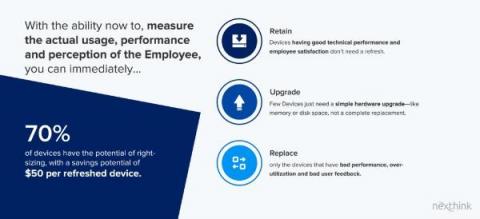
In today’s Digital Workplace, Managing Hardware assets efficiently is every IT team’s mandate. Despite the uptick in the adoption of virtualization in various client-side components including end users’ desktops, Their PHYSICAL DEVICE – still plays a significant role in the overall digital experience and their Productivity. However, when it comes to Managing and Upgrading these Devices, most organizations decide to replace the device based on their age.