Using Cloudsmith to store and distribute any type of file
A quick walkthrough of how you can use a private Cloudsmith repository to store and then distribute any type of file.


Hi, I’m Owen, one of the Loki maintainers, and I’m putting proverbial pen to paper to convince you why Loki is important. And this isn’t because it scales (it does) or because I work at Grafana Labs (I do). It’s because of the oft-overlooked and underrepresented organizational benefits. Organizational benefits?! What is this, some sort of cult? Why are you avoiding the technicals? Whoa, whoa, whoa. Now, hold on. The technicals are still valid.
Working with Serverless computing is like riding an electric bike. You get speed, flexibility, automatic assistance to scale with ease. Development is usually hassle-free because you can focus on code and only pay for usage of the service. Except when your users hit an error. Debugging that issue feels like your bike’s battery just died while climbing a steep hill.
Watching too many movies might give you the impression that cyber attacks are launched by well-funded masterminds able to control the internet at their whim. But really, successful attacks can be as simple as disguising some malicious software as a link to an often-used site, and tricking people into clicking it, known as phishing. The result is that many cyber attacks are carried out by taking advantage of unsuspecting end users.
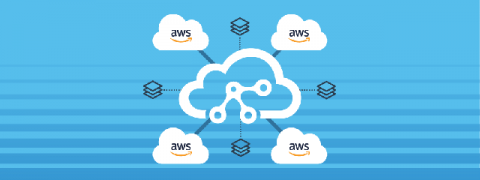
Many businesses use cloud services on AWS and also run workloads on Kubernetes and Knative. Today, it’s difficult to integrate events from AWS to workloads on a Rancher cluster, preventing you from taking full advantage of your data and applications. To trigger a workload on Rancher when events happen in your AWS service, you need an event source that can consume AWS events and send them to your Rancher workload.
Log files are infamous for being “noisy”. Without the right management solution, trying to find a specific piece of information or using them to reproduce a critical error is a complex undertaking. If you’re working with CI/CD, how do you attribute new errors to a particular release? How do you investigate those errors and make sure that your customers aren’t being impacted? Faster releases mean shorter development and testing cycles before new code reaches production.