When the world transitioned to a remote workspace, one of the things that most of us figured out quickly was that some applications just don’t work well with corporate VPN. Video and voice applications, like Microsoft Teams, are essential to business operations. I wouldn’t want to add another point of failure that I’d need to troubleshoot if I didn’t have to.
These days many setups have a lot of redundancy and you may not want to send notifications during the night, just because one of multiple http servers has a problem. This blog post will show you how to setup a single service with a state combining multiple other services.
During my office hours, I frequently get asked for practical tips on getting started with observability. Often it’s from folks on teams who are already practicing continuous delivery (or trying to get there) and are interested in more advanced practices like progressive delivery. They know observability can help—but as individual contributors—they don’t sign the checks, so they feel powerless to help get their team started with observability.
Last week we covered the essentials of event logging: Ensuring that all your systems are writing logs about the important events or activities occurring on them. This week we will cover the essentials of centrally collecting these Event Logs on a Window Event Collector (WEC) server, which then forwards all logs to Elastic Security.
Automated incident management ensures that critical events are detected, addressed and resolved in a fast, efficient manner. Automation allows incident management tools to integrate with each other and fosters instant communication across the systems. Automation tears down barriers across IT operations (ITOps) teams and ensures all departments are on the same page. Teams gain full visibility into incident status to verify that incidents are addressed by the relevant groups.
On April 15th Moogsoft’s VP Marketing, John Haley, welcomed Datadog Product Manager, Alex Vetras, along with DevOps Institute Chief Ambassador, Helen Beal, and Moogsoft’s CTO, Dave Casper, for an informal roundtable exploring how users can now see rich-context incidents from across the full stack in minutes, and the opportunities this presents to organizations.
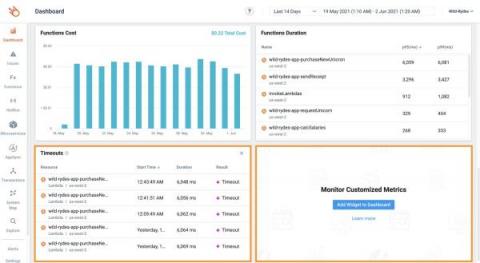
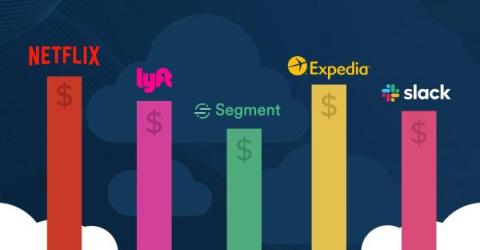
In this article, we’ll be taking you through the steps and what to bear in mind in each stage of migrating to serverless – from preparation to migration and post-transition.
The insurance sector is incredibly competitive and tightly regulated, so being able to provide great customer service is vital to success. And having the right technology is imperative to delivering quality service. At Covéa Insurance, the UK arm of France’s top mutual insurance group, we provide commercial, motor, high-net worth, property, pet, and protection insurance to more than 2 million customers.
React Native is an open source framework for building cross-platform mobile applications. With React Native, developers can easily reuse the same JavaScript code for iOS, Android, and the browser, with only minimal need to accommodate specific platforms.