Operations | Monitoring | ITSM | DevOps | Cloud


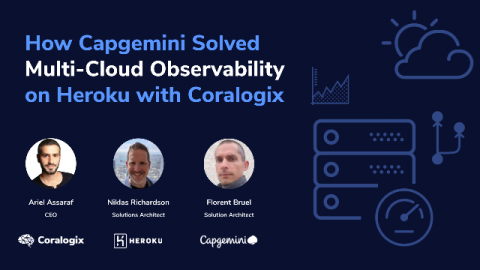
How Capgemini Solved Multi-Cloud Observability on Heroku/Salesforce
The modern enterprise has expanded its reach by using the power of cloud computing. However, with that power comes complexity in leveraging the multiple platforms needed to provide rich functionality. To achieve a seamless integration that involves multiple cloud infrastructures you need insightful and actionable data. You also need the right team to bring the clouds together in a seamless, effective, and efficient manner.

The 3 musts for every FinTech incident management pro
Few industries have experienced such a disruptive whiplash as the financial services industry. With the dizzying encroachment of agile, innovative, and fearless fintechs coming to the fore, traditional banking institutions have had to completely rethink their business, revenue models, and customer engagement initiatives.
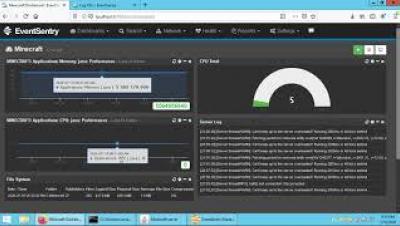
Monitoring a Minecraft server on Windows
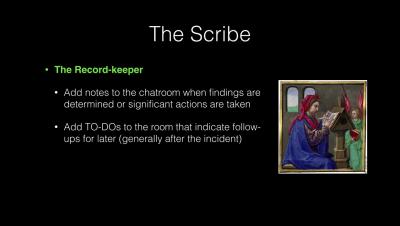
Simulated Incident Call Recording

How Raygun increased transactions per second by 44% by removing Nginx
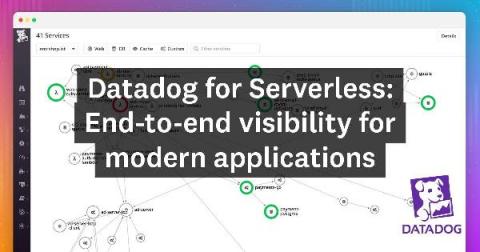
Zero instrumentation serverless observability with AWS SAM and CDK integrations
As organizations build out their serverless footprint, they might find themselves managing hundreds or thousands of individual components (e.g., Amazon S3 buckets, Amazon DynamoDB tables, AWS SQS queues) for just a single application. At the same time, performance issues can crop up at any of these points, which means that having access to detailed observability data from your serverless functions is crucial for effective troubleshooting.
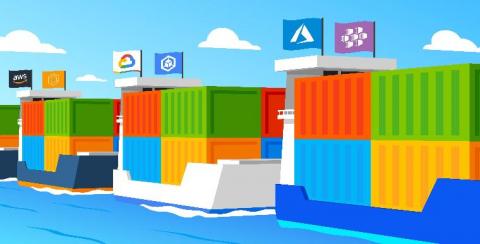
Monitor your Windows containers with Datadog
As cloud providers and infrastructure technologies grow their support for Windows containers, developers who use the Windows ecosystem are more and more able to enjoy the benefits of containerization. It’s quicker and easier than ever to modernize and deploy applications that use Windows-specific frameworks like .NET. Plus, Windows developers can use orchestration services like Kubernetes, Amazon ECS, or Docker Swarm to manage the complexity that containerized environments introduce.
An Introduction to Kubernetes Services
Kubernetes has a lot of features and deployment options for running containers. One of these is the Service. In this blog post, we’ll discuss what Services are, what they can be used for, and how to create them.