Operations | Monitoring | ITSM | DevOps | Cloud

How to use Elasticsearch and Time Series Data Streams for observability metrics

Elasticsearch is used for a wide variety of data types — one of these is metrics. With the introduction of Metricbeat many years ago and later our APM Agents, the metric use case has become more popular. Over the years, Elasticsearch has made many improvements on how to handle things like metrics aggregations and sparse documents. At the same time, TSVB visualizations were introduced to make visualizing metrics easier.

Prioritizing Defects with the New Auto Grouping Feature

BugSplat's new auto-grouping feature is a powerful way to automatically group crashes in a way that's meaningful to your team. Normally, crashes are grouped by the top of the call stack. But sometimes this grouping isn't ideal. For example, if the top of your call stack is KERNELBASE!RaiseException (a Windows OS function) you'd probably prefer the crashes were grouped by a different stack frame. That's what BugSplat's auto-grouping feature does!

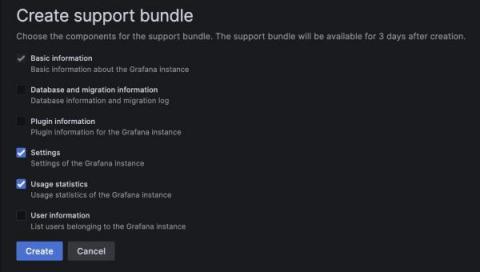
New in Grafana 9.5: Debug Grafana instances faster with support bundles

With the arrival of Grafana 9.5, we’re excited to introduce Grafana support bundles — a tool to help debug your Grafana instance faster and more easily. Support bundles provide a simple way to gather and share information about your Grafana instance, and this feature is available across all tiers in Grafana Cloud as well as in Grafana OSS and Grafana Enterprise.

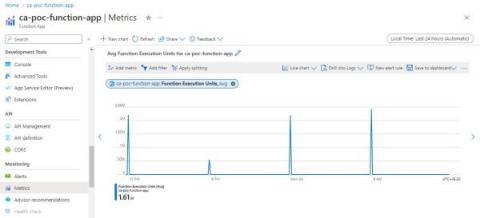
Understanding Azure Function App Metrics

This article will focus on the metrics side of Azure Functions and features offered by the Azure Portal and then talk about the value of Serverless360. Then about the product that provides beyond the primary feature set in the Azure Portal, which will help you improve the day-to-day operations of your Azure solution. There are many different ways you can manage and operate Azure Functions and features like Application Insights which can also help you with Azure Functions.

Cloud Cost Management Demo

Growing cloud costs are a new constraint and challenge for many DevOps, FinOps, and Cloud Platform teams. Cloud Cost Management delivers granular cost data, scoped to the services developers own, so that engineers can take action on cost data. By unifying cost and observability data, engineering teams can quickly understand the root cause of cost changes, identify wasteful spend in their environment, and empower everyone across their organization to become a cost owner.

How To Backup and Restore a SQL Server Database

Currently, there are 212,633 companies that are using Microsoft SQL servers, and this number includes well-known enterprises, such as IBM and Oracle. SQL server databases store all kinds of data, and a significant amount of this data is critical for the performance and success of a business. To prevent data disasters, such as data theft, loss, or destruction, IT teams learn how to backup and restore SQL server databases.