The latest News and Information on AIOps, alerting in complex systems and related technologies.
The idea of applying artificial intelligence and machine learning to more rapidly and accurately resolve IT incidents and manage alerts has been gaining steam in the past year. While AIOps, as it’s frequently called, has spawned an entirely new market of startups, many enterprise IT leaders are playing a cautious hand so far – and for good reason. There are risks, though. If an AIOps tool goes wrong out of the gates, IT and executive trust diminishes.
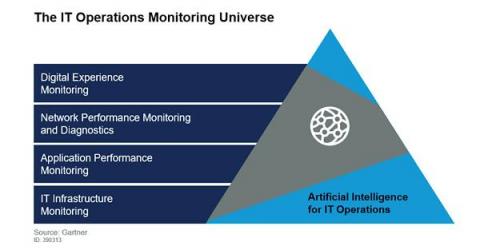
Major changes are redefining how IT operations monitoring is done, and impacting tooling, processes and skills. But how exactly can IT Ops leaders ensure continuous service assurance of their critical digital services now and in the future? What’s the key to having the required visibility and control over these modern and complex IT environments that are increasingly hybrid, distributed, dynamic and modular?
AI Ops is about enabling developers, program managers, service engineers, website reliability engineers etc. to efficiently build as well as run online services or applications at scale with AI & ML techniques. AI Ops is expected to help improve service quality. customer satisfaction, enhance technology productivity, and reduce cost. With hype all around the world regarding artificial intelligence, IT leaders are sceptical whether it will actually be useful to them or will it add to their costs.
What is AIOps? Are you confused by all the different explanations out there? Regardless of the mixed messages, there is a correct definition and approach for AIOps.
IT operations management vendors are adding AI capabilities to their wares, but central AIOps platforms deliver the most value by coordinating all those domain-specific tools.
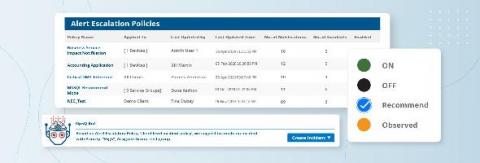
Learn about OpsQ Recommend Mode, a new feature delivering auto-suggestions for alert escalation policies with OpsRamp’s machine learning algorithms. Recommend Mode builds upon Observed Mode by enabling one-click automation of suggested actions for alert escalation management. You can follow two approaches to use OpsQ Recommend Mode: First-Response and Alert Escalation.