Operations | Monitoring | ITSM | DevOps | Cloud

The latest News and Information on API Development, Management, Monitoring, and related technologies.


JSONPath & JSON Validation for Web API Monitoring Assertions

Most API monitoring setups still rely on a narrow definition of success: Did the endpoint respond, and did it return a 200 status code? While availability is essential, it’s no longer enough for modern, API-driven systems. In real production environments, APIs frequently return successful HTTP responses with incorrect or incomplete payloads. Authentication endpoints may issue tokens missing required fields. Business-critical APIs may return empty objects instead of valid data.

Online HTTP Clients vs Web API Monitoring: When Each Makes Sense

When teams talk about online HTTP clients, they’re usually referring to quick, browser-based ways to send requests, especially HTTP POST requests, without standing up local tooling or infrastructure. These tools are popular for good reason. They make it easy to submit payloads, test headers, and inspect responses in real time. For developers, QA engineers, and DevOps teams, they’re often the fastest way to answer a simple question: Does this request work?

Monitoring OAuth 2.0 & Secure Web API Authentication Flows

OAuth 2.0 is often treated as a solved security problem; configured once, then forgotten. In reality, OAuth-based authentication is one of the most fragile dependencies in modern API ecosystems. When OAuth breaks, APIs don’t just degrade gracefully; they often fail completely. For DevOps and engineering teams, OAuth 2.0 authentication sits before application logic, before business rules, and before observability inside the service itself.

API Testing vs Web API Monitoring: Postman, Online Tools, and WebView

APIs sit at the core of modern applications. They power mobile apps, connect microservices, and enable third-party integrations, making them critical to performance, reliability, and revenue. That’s why most teams invest heavily in API testing tools like Postman, automated test suites, and online API testers. And yet, production outages still happen. This disconnect (“our APIs were tested, so why did they fail?”) is where confusion between API testing and Web API monitoring begins.

From Postman Collections to 24/7 Web API Monitoring (Step-by-Step)

Postman API test automation is a critical part of modern API development. Teams rely on Postman collections, scripts, and automated tests to validate endpoints, catch functional issues early, and ensure APIs behave correctly during development and CI/CD pipelines. But as APIs move into production, test automation alone leaves important gaps.

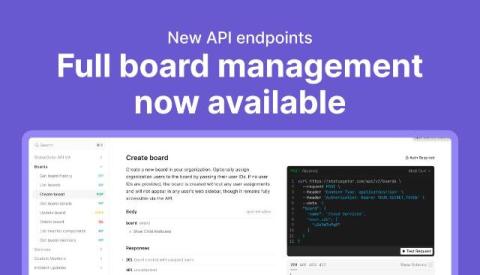
Component statuses: Now in the API

The StatusGator API continues to expand with new end points to help support the wide variety of use cases our customers have. We just released two new APIs: In case you missed, it component filtering is one of StatusGator’s most important features, allowing you to filter your service monitor to just the specific products, regions, or features you use. It’s an essential setup step that helps minimize noise.

Load Testing Kafka #speedscale #kafka #loadtesting

Message brokers are a critical component of modern distributed systems, facilitating asynchronous communication between services. Load testing message broker integrations requires special considerations since the interaction patterns differ from traditional HTTP-based APIs. Speedscale provides specialized tooling to help you load test applications that integrate with message brokers by.

Top 5 WireMock Alternatives Best Practices

WireMock is a popular open source tool for simulating APIs in testing environments through the wiremock server in the wiremock cloud. It allows developers to stub HTTP responses, match requests by URL, headers, and body content, record and play back API interactions, and add configurable delays and errors. WireMock is known for its broad adoption and active community, which contribute to its reliability and ongoing updates.

AI Prediction for 2026

Every technology cycle comes with hype, backlash, and eventually… utility. AI is shaping up to be no different. As we head into 2026, the conversation is already shifting from “AI will replace everything” to “why isn’t this paying off yet?” This shift is heavily influenced by evolving market trends, as businesses and technologists respond to changes in customer behavior, operational patterns, and broader market conditions that shape expectations around AI.