re:Invent 2023 day 2 recap
We had the opening keynote by Adam Selipsky. If you missed the live stream, you can watch it on YouTube here. Unsurprisingly, so much of the keynote was about AI.


The latest News and Information on Cloud monitoring, security and related technologies.
We had the opening keynote by Adam Selipsky. If you missed the live stream, you can watch it on YouTube here. Unsurprisingly, so much of the keynote was about AI.
Today Sysdig has been recognized for achieving the Amazon Elastic Kubernetes Service (Amazon EKS) Ready designation from Amazon Web Services (AWS). This specialization recognizes that the Sysdig cloud-native application protection platform (CNAPP) is validated by AWS Partner Solutions Architects to integrate with Amazon EKS and Amazon EKS Anywhere. Amazon EKS Ready Partners like Sysdig offer AWS customers the ability to customize the Kubernetes solution to fit their business needs.
Amazon Web Services, Inc. (AWS), an Amazon.com company, today announced the 2023 AWS Partner Award winners, recognizing leaders around the globe playing a key role helping customers drive innovation and build solutions on AWS. Announced during re:Invent 2023, AWS Partner Awards recognize our Top Partners of the Year and Rising Star Partners of the Year, whose business models have embraced specialization, innovation, and collaboration over the past year.
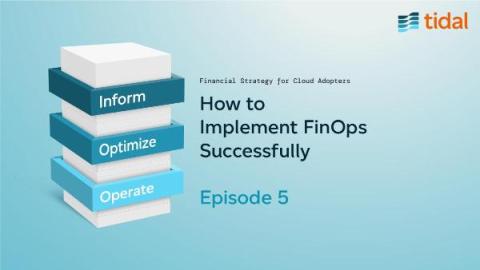
This is the fifth and final part of this FinOps series, The Operate Phase. If you have missed any of my previous blogs, here is a list of posts in the series: Note: I am ex-AWS, so you will notice a lot more focus on AWS tools and services as examples here, however we are cloud agnostic and all cloud providers have similar services and tools.
After the absolute barrage of announcements on day 0, day 1 brought us some mild excitement and one big disappointment…
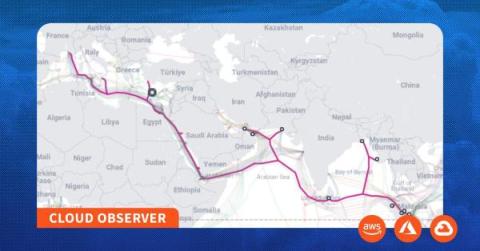
In this edition of the Cloud Observer, we dig into the impacts of recent submarine cable maintenance on intercontinental cloud connectivity and call for the greater transparency from the submarine cable industry about incidents which cause critical cables to be taken out of service.
In an era where digital threats are evolving rapidly, securing your Office 365 environment has never been more crucial. Office 365, a suite known for its robust productivity tools, also demands a proactive approach to security. This blog post delves into essential practices and strategies to fortify your Office 365 setup against various cyber threats.