Operations | Monitoring | ITSM | DevOps | Cloud

The latest News and Information on Cloud monitoring, security and related technologies.

NOAH 2022 Zurich: You Don't Need Another Server

NOAH 2022 Zurich: Keynote by Leah Goldfarb, Environmental Impact Officer at Platform.sh. Climate change and IT, scaling sustainably. Get an overview of climate change, explore how to quantitatively reduce your carbon footprint in the cloud, and explore what actionable information is needed by the client. The ICT sector contributes ~4% of global greenhouse gas emissions – this is more than global aviation.

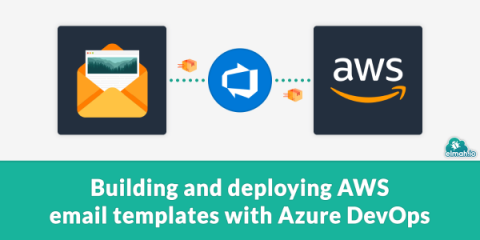
Deploying Hanami 2.0 Ruby application on AWS

The deployment of Ruby on Rails and Rack frameworks is embedded in Cloud 66’s DNA, but we are always interested to see other Ruby frameworks becoming popular, and happy to support developers who prefer to use them instead of Rails. In this post, we’re going to show you how easy it is to deploy a Hanami Ruby application on AWS cloud with Cloud 66. The recent Hanami v2.0 release brought a lot of incremental upgrades to the framework, which made it more mature.

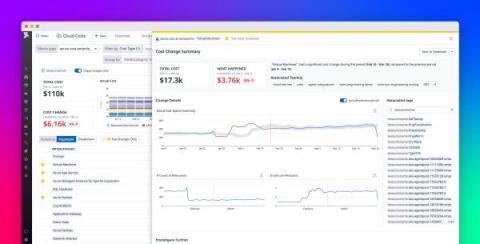
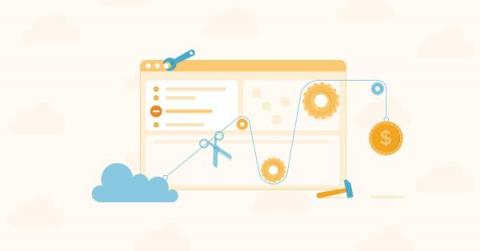
Maximizing cloud savings: Strategies to optimize your cloud costs

Public cloud users continue to get stung by unexpected costs due to the challenges faced when working with or moving workloads into the cloud. When organizations see this surge in their costs, it typically requires the process of cloud cost optimization to tackle the problem. Cloud cost optimization is the task of minimizing cloud spending by enforcing best practices and appropriate cost-efficient resources.

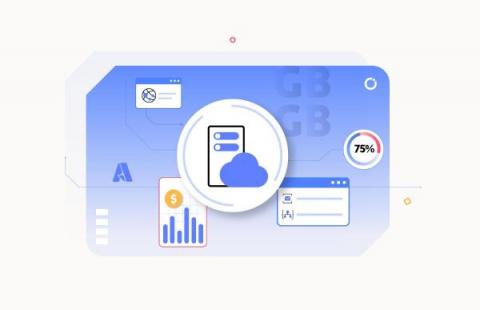
Azure Managed Grafana users can now upgrade to Grafana Enterprise

In November 2021, we announced a strategic partnership with Microsoft to develop a Microsoft Azure managed service that lets customers run Grafana natively within their Azure cloud platform. Azure Managed Grafana, which became generally available in August 2022, makes it simple for Azure customers to deploy secure and scalable Grafana instances and connect to open source, cloud, and third-party data sources for visualization and analysis.

Tigera 2023 predictions: Cloud native security and the shifting landscape in 2023

Cloud computing and the use of cloud native architectures enable unparalleled performance, flexibility, and velocity. The speed of innovation has driven significant advancements across industries, but as digitalization continues pushing applications and services to the cloud, bad actors’ intrusion techniques have also become more sophisticated.

It's Time To Stop Pitting On Prem and Cloud Against Each Other

Most sentences that include both on premises and cloud usually put the word “or” between them, or perhaps “vs.” But most enterprises operate in the world of “and.” In other words, they have workloads on premises and in the cloud—and that little three-letter word makes a world of difference.

Introducing easy custom event monitoring for serverless applications.

Today we are excited to announce scheduled searches – a new feature on Dashbird that allows you to track any log event across your stack, turn it into time-series metric and also configure alert notifications based on it. This has been one of the most requested features across our users and we are thrilled to make it available for all users starting today.

How To Incorporate FinOps Into The DevOps Lifecycle

FinOps, or the practice of managing a company’s cloud computing costs, and DevOps, the process of efficiently building applications in the cloud, should ideally go hand-in-hand. Engineers with a streamlined development process and a cost-conscious mindset can produce functional products with great margins and a high potential for scalability. However, incorporating FinOps into the DevOps lifecycle, and vice versa, isn’t always easy.

Power-up your local development with DDEV

Have you ever had to set up and/or maintain a local development environment using Docker that mirrors your production environment as much as possible? Setting-up and supporting such a docker-based local environment is no easy feat! Common problems include: performance issues, broken dependencies, broken relationships between your services and uncontrolled updates of your docker images, among many other issues. So, the question is, what can we do about that?