PromCon Online 2021 highlights
What an exciting month, with PromCon Online 2021 and KubeCon EU 2021! These presentations were full of feature announcements, live demos, and inspiring use cases. Here are our highlights of the PromCon Online 2021!


The latest News and Information on Containers, Kubernetes, Docker and related technologies.
What an exciting month, with PromCon Online 2021 and KubeCon EU 2021! These presentations were full of feature announcements, live demos, and inspiring use cases. Here are our highlights of the PromCon Online 2021!
Containers and Kubernetes have changed the way we operate applications. This has been a boon for Site Reliability Engineers (SREs) and DevOps professionals who handle infrastructure management. Yet, it has come at a cost to many who develop and operate applications. Their experience has become more complicated and cumbersome.
Whether you’re new to the cloud native space or an accomplished practitioner, you’re probably aware that there are many Kubernetes distributions to choose from. Maybe you’ve heard about the challenges of getting up and running with Kubernetes. Guess what? It doesn’t have to be hard. This blog provides an introduction to K3s, a lightweight CNCF-certified Kubernetes distribution. We’ll look at what makes K3s different from other Kubernetes distributions.
Security has always been a wide and complex topic. A recent survey from StackRox about the state of containers and Kubernetes security provides some interesting data on these topics. In this blog post, I’ll dive into some of the findings in that survey and introduce you to Kubewarden, an open source policy engine. A staggering 66 percent of the survey participants do not feel confident enough in the security measures they have in place.
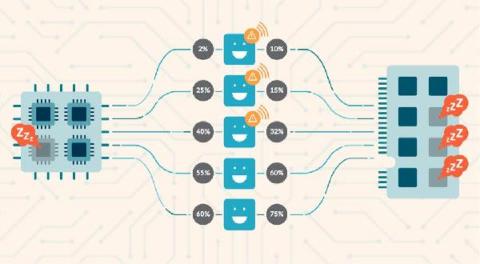
Kubernetes capacity planning is one of the main challenges that infrastructure engineers have to face, as understanding Kubernetes limits and requests is not an easy thing. You might be reserving way more resources than you need to ensure your containers don’t run out of memory, or are CPU throttled. If you are in this situation, you’re going to be charged for those resources even if they aren’t being used, and it will also make deployments more difficult to schedule.
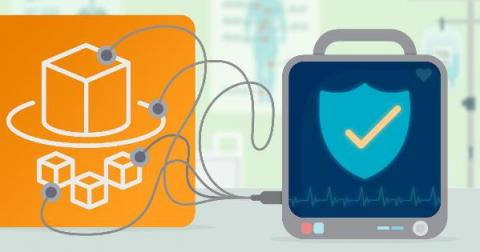
Fargate offers a great value proposition to AWS users: forget about virtual machines and just provision containers. Amazon will take care of the underlying hosts, so you will be able to focus on writing software instead of maintaining and upgrading a fleet of Linux instances. Fargate brings many benefits to the table, including small maintenance overhead, lower attack surface, and granular pricing. However, as any cloud asset, leaving your AWS Fargate tasks unattended can lead to nasty surprises.
Congratulations, you finally consider moving your apps to Kubernetes. It is a big day! Here is a checklist to ensure you did not forget anything essential to increase your chances of success using Kubernetes. We divided those points into three sections, from the most important to the least. Let’s go.
Speedscale was built primarily to provide engineering teams with better insight into their applications over time, replaying single transactions for root cause analysis that give developers and SREs confidence that tomorrow’s application code will work just as well in production as it did yesterday.