Mattermost v7.3 is now available
Mattermost v7.3 is generally available today. The following new features are included.


The latest News and Information on DevOps, CI/CD, Automation and related technologies.
Mattermost v7.3 is generally available today. The following new features are included.
DORA metrics are becoming the industry standard for measuring engineering efficiency, but where did they come from? We talk a lot about DORA metrics here at Sleuth — what they are and how to measure them. But we haven’t shared much about the context of DORA metrics — their history and why we use them. So let’s do that. This article provides a summary.
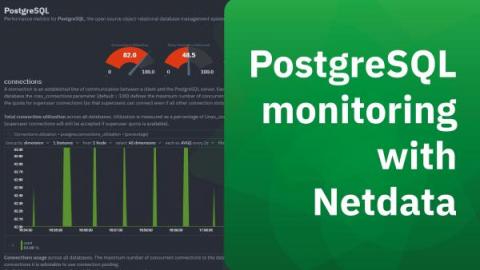
PostgreSQL is a popular open source object-relational database system designed to work for a wide range of workloads from single machines to data warehouses to web services with many concurrent users. PostgreSQL runs on all major operating systems and is used by teams and organizations across the world, including Netdata. If you are using PostgreSQL in production, it is crucial that you monitor it for potential issues. And the more comprehensive the monitoring the better!
Rated as the top order tracking and revenue generation app on Shopify, Rush lets businesses build and personalize their own dashboards to manage the post-sale process with real-time data, custom product recommendations, and user feedback. Their business model focuses on low touch and user-centered design (UCD), which leaves little room for issues impacting how people interact with the platform.
TAIPEI, Taiwan, September 14, 2022 — ASUS IoT, a global AIoT solution provider, today announced a partnership agreement with Canonical to certify the device manufacturer’s boards and systems with Ubuntu 20.04 LTS. ASUS IoT devices are used in a wide range of edge computing applications. New devices like the PE100A will be certified for optimised performance with Ubuntu, ensuring faster development times and ease of configuration.
Even before the cloud, no one liked deployment downtime. With applications hosted in traditional data centers that restricted access for local users, many organizations scheduled deployments when users were less likely to be using the applications, like the middle of the night. With widespread adoption of cloud-based, 24x7 environments available from all time zones, every hour of the day, easy-to-find deployment windows are gone.
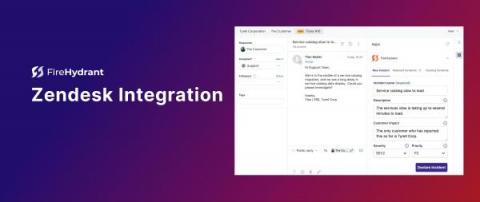
Customer support tickets are a key indicator of which customers are being actively impacted by an incident. Incident-related support tickets are an important component of impact assessment, incident prioritization, and effective stakeholder communications. FireHydrant's new Zendesk integration allows Enterprise tier users to: With our Zendesk integration you can streamline customer impact assessments and incident communications, resulting in reduced support response times and incident durations.