Operations | Monitoring | ITSM | DevOps | Cloud

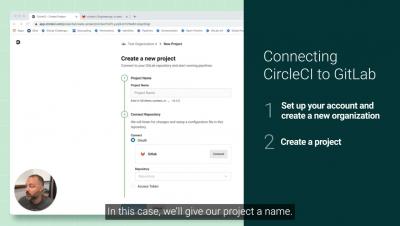
Git Continuous Delivery - by Angel Rivera of CircleCI

DevOps concepts and CI/CD tools are gaining wider adoption as they help developers deliver code faster than ever before, but persistent struggles exist across the industry and prevent teams from achieving optimum velocity. Even though the vast majority of developers choose Git as their preferred version control platform, most don’t understand the critical role Git plays in the continuous delivery process, and how powerful it can be when combined with CI/CD tools.

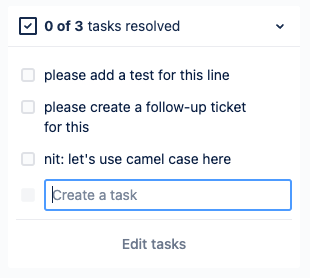
Driving Jira with Git - by Adam Wride of BigBrassBand

No matter the team or the project, developers need to keep everyone updated on their progress. While Jira provides a rock-solid foundation for tracking and communicating progress, most developers agree: they don’t want to live in Jira. And neither do managers! They also want to see developers focused on solving hard problems and getting new features safely out the door.

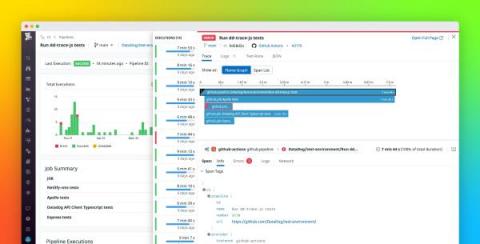
GitHub Actions for Automated CI/CD Deployment with AWS CDK

A surprising number of development teams have failed to adopt automated deployment, oftentimes because people think their tech stack is either too simple or too complex. But GitHub Actions and AWS CDK provide tools and services to make deployment and automation tasks approachable, no matter the size or complexity of your environment. These tools also provide a high level of visibility throughout the deployment process.

Building GitLens, a VSCode App - by Eric Amodio

GitLens is a VS Code app used by over 10 million developers worldwide. In this session from the GitKon Git conference, GitLens Creator Eric Amodio gives an overview of why he built an app that supercharges the Git capabilities built into Visual Studio Code. Hear how Eric first encountered Git and how we came to leverage Git commit messages for a better development experience by exposing project histories directly in an IDE.

Re-exploring the Git Branching Model for the Classroom - by Roy Vanegas

By re-contextualizing the Git branching model in the classroom, educators, like presenter Roy Vanegas of the University of Hartford, can share examples and assignments in an easier manner, while also simplifying the assignment and submission process for students. In this GitKon Git conference session, you will hear about the pros and cons of using the Git branching model in the classroom.

Recovering from the Git detached HEAD state

The introduction of Git as a source-code management system in 2005 fundamentally transformed the process of software development. Git allows developers to maintain a history of changes, or commits, to their code and revert to previous commits in seconds if something goes wrong. It makes collaboration easier by allowing branching to keep code for different features separate and seamlessly merging commits by various people.

Who Moved My Code?

We’re excited to launch our new integration with GitHub that supports GitHub Enterprise Server customers. This allows companies using GitHub Enterprise on their own domains to access key features in Rollbar that help developers fix errors faster. GitHub Enterprise offers a fully integrated development platform for organizations to accelerate software innovation and secure delivery.

GitLens for Visual Studio Code, and its Creator Eric Amodio, Join GitKraken

For those of you who don’t know me, I’m Eric Amodio, creator of GitLens. I’m an innovator, leader, architect, and seasoned full-stack developer. I started developing GitLens way back in 2016 when I fell in love with Visual Studio Code and wanted to play with what was then newly released extension support. It all started with a simple question: could I add Git insights via CodeLens (hence GitLens) to any document? Which of course was yes, and a whole lot more.

WordPress + GitHub

If you’ve been building client websites for a while, you may remember a time before WordPress. A time when building websites meant creating every HTML page by hand. At some point, you probably decided that there were common features that every customer needed on their site, so you started using one customer’s website as the template for the next. Of course these days, WordPress is the underlying software for many modern websites, and there’s no need to re-invent core functionality.