Operations | Monitoring | ITSM | DevOps | Cloud

The latest News and Information on Incident Management, On-Call, Incident Response and related technologies.

Alarm optimization - what SIGNL4 has to offer

Having all relevant information pertaining to a critical incident is vital for quickly identifying the issue and prioritize its importance. SIGNL4 optimizes the perception, response and handling of incidents through customizable alerts with enriched parameters, images, sounds files, links to tickets or PDFs, as well as maps with geo-location information.

Best Practices for API Versioning

As your experience and knowledge of a system grow, change becomes inevitable. Your application requirements change, your bug fixes require code changes, and your APIs evolve. A key challenge in the software ecosystem is managing changes—especially when they concern APIs. Because you’re likely using APIs in multiple applications, you must document all updates and changes made to your APIs. This is where API versioning becomes crucial.

Incident management vs. event management

As you explore IT event management and IT incident management, they may look and even sound similar, but it’s essential to understand how they differ. Your IT management team needs to know what to look for, both in an event and an incident, so they can resolve any red-flag issues and return your system to normalcy. But why is it so important to recognize the difference?

Goodbye, 2022. Hello, 2023 - reflecting on a year of change, progress and incidents

Let’s get one thing out of the way: we’re going into 2023 on a high-note. We’ve closed deals with some of the most respected companies in both the UK and US, we’ve hired in the double-digits, expanded into New York, and revenue is growing steadily. But we aren’t hanging up our football boots just yet. Yes, we can take some time to celebrate our wins, but we’re all hands on deck for 2023 planning.

The Critical Role of Intrusion Prevention Systems in Network Security

An Intrusion Prevention System (IPS) is a network security and threat prevention tool. Its goal is to create a proactive approach to cybersecurity, making it possible to identify potential threats and respond quickly. IPS can inspect network traffic, detect malware and prevent exploits. IPS is used to identify malicious activity, log detected threats, report detected threats, and take precautions to prevent threats from harming users.

11 unique insights into SLOs and reliability management

A quarter has passed since we launched our Reliability Management capabilities that help developers focus on defining, monitoring and managing Service Level Objectives (SLOs) to drive great digital experiences. Reducing alert fatigue and balancing innovation with reliability are common outcomes that customers expect from Reliability Management. If you are new to SLOs, these insights from our customers capture common practices among peer developers.

Why AIOps is the Connector Between Monitoring, Observability and Incident Management

Over the years, as companies have moved from monolith to cloud-native architectures, maintaining high availability has become more challenging. After all, today’s IT ecosystems are complex, distributed and ephemeral, making it increasingly difficult (and, in many cases, downright impossible) for DevOps practitioners and SREs to identify and fix issues manually.

Public Demo - How to respond to incidents faster with ilert

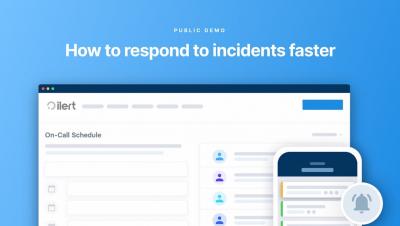
In this public demo, you can get a first overview of how our incident response platform works. Our CEO, Birol, will show you how to manage on-call, respond to incidents and communicate them via status pages using a single application. Learn how ilert helps you to increase service uptime and become an uptime hero.
Sponsored Post

SRE Best Practices

Site Reliability Engineering (SRE) is a practice that emerged at Google because of its need for highly reliable and scalable systems. SRE unifies operations and development teams and implements DevOps principles to ensure system reliability, scalability, and performance. There's plenty of documentation on tactics for adopting automation and implementing infrastructure as code, but practical ops-focused SRE best practices based on real-world experience are harder to find. This article will explore 6 SRE best practices based on feedback from SREs and technical subject matter experts.

Introduction to Kubernetes Imperative Commands

Kubernetes was born out of the need to make our complex applications highly available, scalable, portable and deployable in small microservices independently. It also extends its capabilities to make adoption of DevOps processes and helps you set up modern Incident Response strategies to enhance the reliability of your applications.